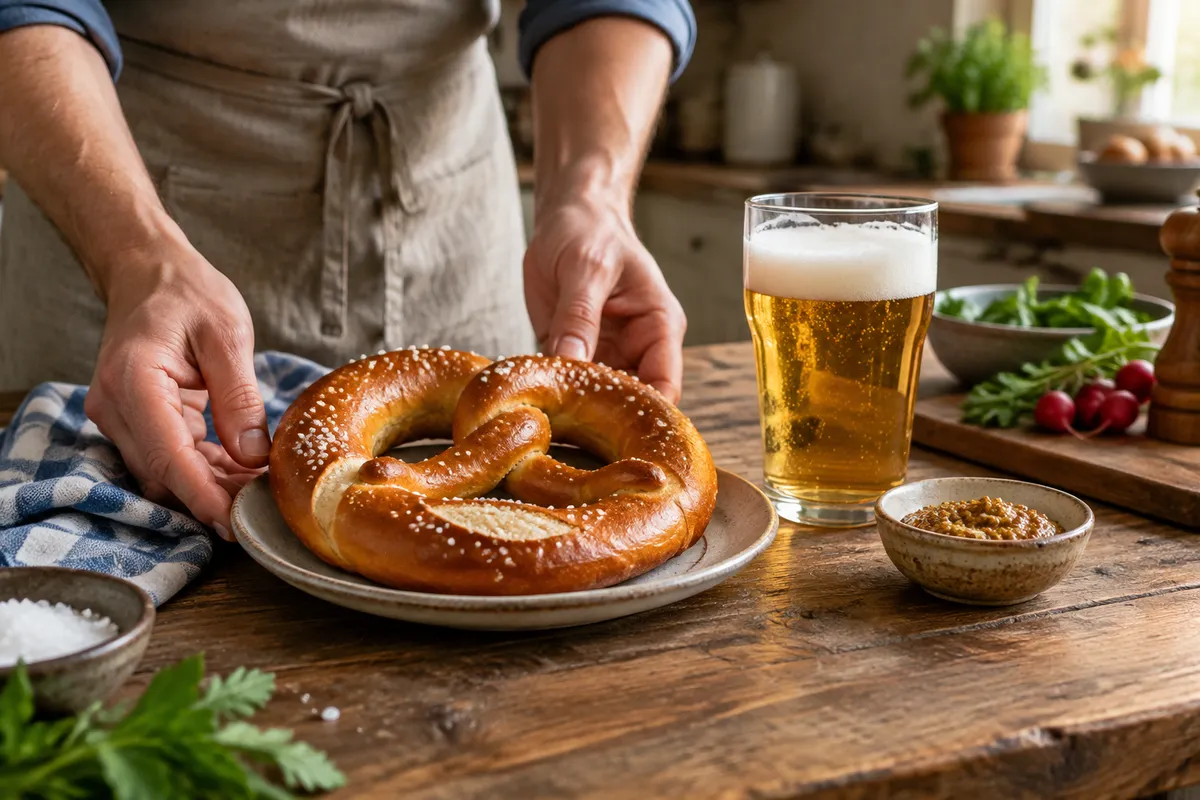
You don't need a plane ticket to eat and drink with more curiosity. You do need to know why place matters, because once you see it, you can shop smarter, cook with more intention, and plan trips around what you actually want to taste.
That idea is at the center of a Forbes piece on what it calls the Oktoberfest effect. Per Forbes, travelers are increasingly prioritizing food and drink experiences tied to a specific place, from Oktoberfest in Munich to whisky tourism in Scotland. The core argument: provenance, meaning where something is made, who makes it, and the culture around it, adds value, authenticity, and emotional pull.
Here's how to put that thinking to work in your own kitchen and travel plans.
What provenance actually means
Provenance is a fancy word for a simple question: where did this come from, and who made it?
Per Forbes, three things make up the idea:
- Where it's made. The region, the town, the setting.
- Who makes it. The people and their craft.
- The culture around it. The rituals, festivals, and habits that give the food or drink meaning.
That third piece is easy to miss. A beer is a beer. A beer in Munich at Oktoberfest comes with a whole setting around it. The product hasn't changed, but the experience has, and that's the pull Forbes describes.
Why origin makes things feel special
The Forbes piece argues that provenance gives food and drink emotional weight. When you know the story behind something, you pay closer attention to it. You taste more deliberately. You remember it.
That's useful for everyday cooks, because attention is free. You can borrow the effect without any travel budget:
- Read the label. Look for where an ingredient was made, not just the brand.
- Taste it on its own first. Before you cook with a new cheese, spice, or sauce, try a small bite plain.
- Learn one fact about it. A quick search for how it's traditionally eaten changes how you use it.
This is an observation of mine, not something from Forbes, but it holds up: people who know a bit about an ingredient tend to waste less of it and use it better.
Oktoberfest as the blueprint
Forbes frames Oktoberfest as a model of experience-led tourism. People don't go to Munich only to drink beer. They go for the full setting and the tradition around it.
The lesson for your own trips is to look for the same ingredients in any destination:
- A signature food or drink tied to the place
- A tradition or event built around it
- A chance to experience it where it's made, not just where it's sold
Scotland's whisky tourism, also cited by Forbes, works the same way. The product is the draw, but the place and culture around it turn it into a reason to travel.
How to plan a trip around taste
Forbes notes that culinary travel is booming as people look for more meaningful, place-based experiences instead of generic tourism. If you want to try this approach, a simple process works well.
Pick one thing you love
Start with a single food or drink you already enjoy. Narrow beats broad. One focus gives a trip shape.
Find where it comes from
Look up the region most tied to it. That's your destination, or at least your first stop.
Look for the people and the traditions
Search for producers, local events, and how locals actually eat or drink it. These are the elements Forbes says add authenticity, so they're worth building your schedule around.
Leave room to wander
Don't fill every hour. Some of the best discoveries come from the café or stall next to the one you planned to visit.
Bring the source home: a no-travel version
You can borrow the spirit of this at home with a small project. Pick a dish from a place you'd like to visit, and treat it as a mini trip.
- Choose one dish. Keep it approachable, something with a short ingredient list.
- Buy the one ingredient that matters most from a shop that tells you where it came from. Spend a little more there and keep the rest cheap.
- Cook it the traditional way once. Then adjust it to your taste on the second try.
- Set the scene. Music, a proper table, the right glass. Forbes's point about culture applies here too: setting is part of flavor.
This works on a weeknight budget because you're upgrading one thing, not everything.
Why brands are leaning in
Per Forbes, brands, regions, and creators are leaning into origin stories to stand out in crowded food, drink, and travel markets. That's worth knowing as a shopper. An origin story can be a real signal of craft, or it can be marketing polish. Judge it the way you'd judge any claim:
- Is the place specific, or just vaguely "traditional"?
- Does the label name a region, a producer, or a method?
- Does the product taste like it's worth the price on its own?
Provenance adds value when it's real and specific. When it's vague, trust your palate over the story.
The takeaway
Next time you pick up something delicious, find out where it comes from and who makes it. That one question is the whole idea, and it turns an ordinary meal into a small trip.