You're running late, the fridge is bare, and takeout is starting to look like the only option. A shake in a bottle or a scoop of powder in a blender seems like an easy out. But can it actually stand in for a meal, or is it just a snack with good marketing?
A dietitian weighed in on exactly that for Women's Health, which covered when meal replacement shakes and powders are useful, how they differ from protein powders, and what to look for nutritionally. Here's how to use that guidance to choose a shake and to make one feel like a real meal.
Meal Replacement vs. Protein Powder
These two products get lumped together, but they aren't built for the same job. Per Women's Health, a dietitian explains that meal replacements and protein powders differ, and the distinction matters when you're standing in the supplement aisle.
A good way to think about it: a protein powder is typically one ingredient doing one job, while a meal replacement is meant to cover more of what a meal provides. That's the logic behind the label check below. If a product can't show you more than protein, it's better treated as a add-on to food than as a substitute for it.
Read the Label Like a Meal
The easiest test is to compare the label to what a balanced meal should give you. Women's Health points to calories, protein, fiber, and ingredients as the things to look at. Here's how to put that into practice:
1. Calories
A shake with very few calories is closer to a snack. If you plan to skip a meal, look at the number and ask whether it would actually carry you to your next one.
2. Protein
Protein helps a meal feel filling. Check that the shake provides a meaningful amount rather than a token scoop.
3. Fiber
Fiber is one of the clearest dividing lines between a meal-worthy shake and a sweet drink. Check that it's listed and not zero.
4. The ingredient list
Read it top to bottom. You want recognizable foods and a list you're comfortable with. If you've had bloating after shakes before, the ingredients are the first place to look, since certain additives can be a culprit.
Three Products the Dietitian Highlighted
Women's Health named a few top picks. I can only tell you the categories they landed in, not the full nutrition numbers, so check each label yourself before buying:
- Best overall: Huel Black Edition Ready-to-Drink
- Best powder: Ka'Chava Superblend Shake
- Best allergen-friendly: OWYN Plant-Based Protein Drink
The spread is useful on its own. A ready-to-drink bottle suits a bag or desk drawer, a powder lets you control how it's blended, and an allergen-friendly option matters if a standard formula isn't safe for you.
Why These Shakes Are Having a Moment
Busy schedules and rising food costs are making meal replacements more appealing, particularly for people who would otherwise skip a meal or order takeout. At the same time, the supplement market is crowded, which makes it hard to tell which products deserve the word "meal." That's why the label check matters more than the front of the package.
Make a Light Shake Feel Like a Meal
If your shake looks light on the label, you can still bridge the gap with food from your kitchen. These are my own suggestions, not claims from the original piece, so adjust to your needs:
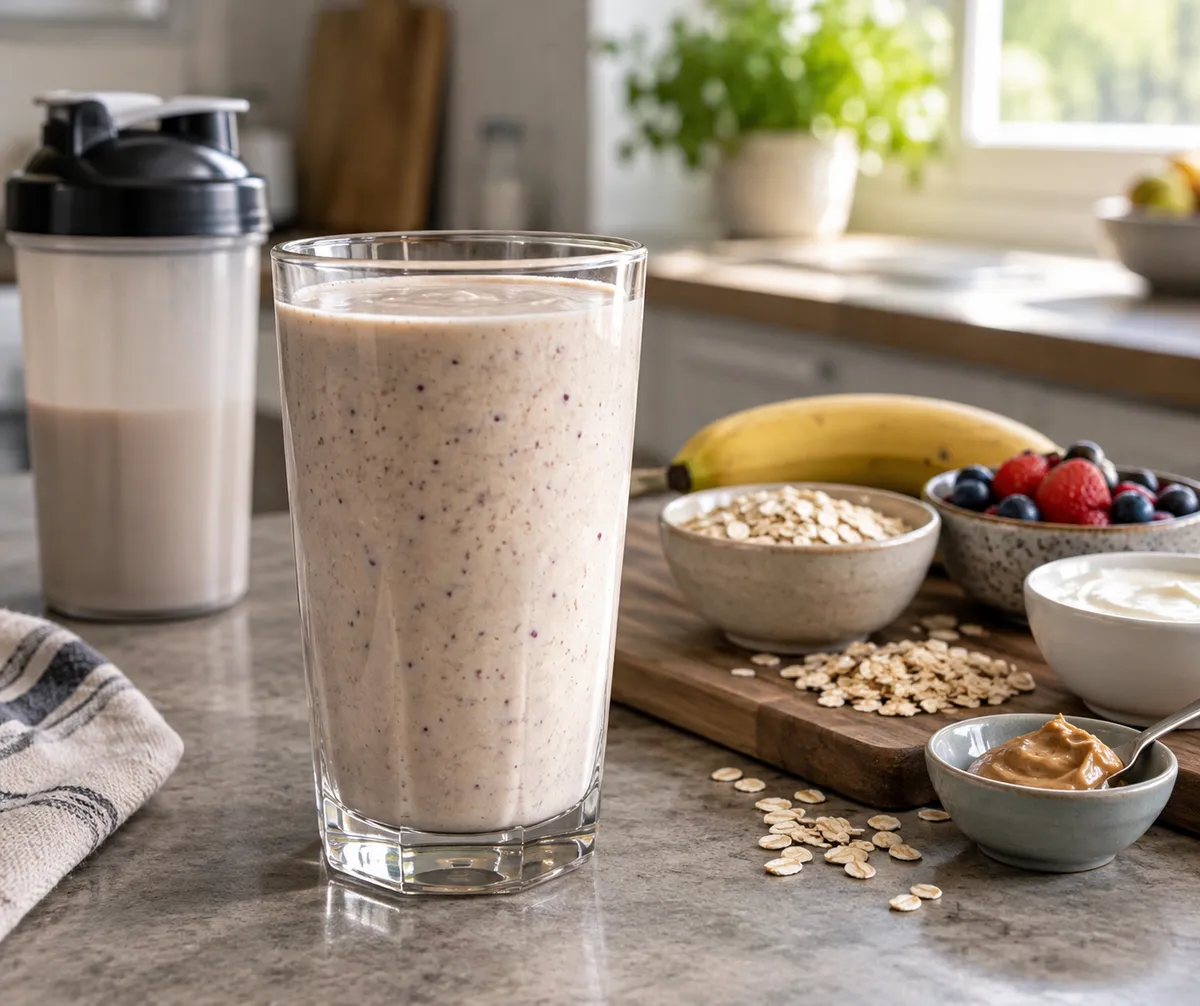
- Add fiber and body: blend in half a banana or a small handful of oats.
- Add healthy fat: a spoonful of peanut or almond butter makes a shake more satisfying.
- Add something to chew: pair it with a piece of fruit, a hard-boiled egg, or toast.
The whole thing takes about five minutes, including washing the blender. Start with a simple version, taste it, then adjust.
When a Shake Makes Sense (and When It Doesn't)
Think of a shake as a backup plan. It beats skipping lunch or defaulting to a drive-through when the day falls apart. It's less compelling as your everyday routine, because a plate of real food brings flavor, variety, and texture a bottle can't match. Women's Health also covers drawbacks, so read the full piece if you're thinking of using shakes often.
Your Next Step
Before you buy anything, flip the package over and check four things: calories, protein, fiber, and the ingredient list. If it passes, keep one on hand for the days that get away from you. If it doesn't, put it back and buy something you can toss in a blender with a banana.