If your fish dinners rotate between salmon, cod, haddock, tuna and shrimp, you're in very large company. A new study of a century of seafood recipes in Good Housekeeping, reported by Phys, finds that what U.K. home cooks are shown has "narrowed" from a wide range of fish and shellfish to those same five: cod, haddock, tuna, salmon and shrimp.
The good news is that you can widen your own rotation without learning new techniques. Below: why the shift happened, then a simple swap method that works with recipes you already cook.
What the study found
Per the Phys report, researchers looked at recipes published in Good Housekeeping over 100 years. Early on, the magazine presented readers with a diverse mix of fish and shellfish. Today, the "big five" dominate.
The research argues this isn't simply a change in taste. It points to changes in supply chains, supermarkets, imports, convenience foods and cultural expectations. In other words, what shows up in recipes follows what shows up in the shop, and the reverse is true too.
The report also frames this against a mismatch: the U.K.'s seafood habits look increasingly out of step with what its own waters produce, at a time when sustainability, food security and healthier diets are bigger concerns.
That's the research. What follows is my own practical take on what to do about it in your kitchen.
The easy way in: swap, don't reinvent
You don't need a new recipe collection. Take a dish you already make and change the fish. Most weeknight fish recipes are built around the same few things: a mild, flaky white fish, an oily fish, or a quick-cooking shellfish. Think in those three categories.
If your recipe uses cod or haddock
Ask your fishmonger or the fish counter what other white fish is available and fresh that day. Mild white fish are generally interchangeable in baking, pan-frying and fish pie. Keep the thickness similar to the original fillet, since thickness matters more than species for cooking time.
A reliable rule: a fillet about 2 cm (3/4 inch) thick takes roughly 10 to 12 minutes in a 200°C (400°F) oven. Check that it flakes easily at the thickest part.
If your recipe uses salmon
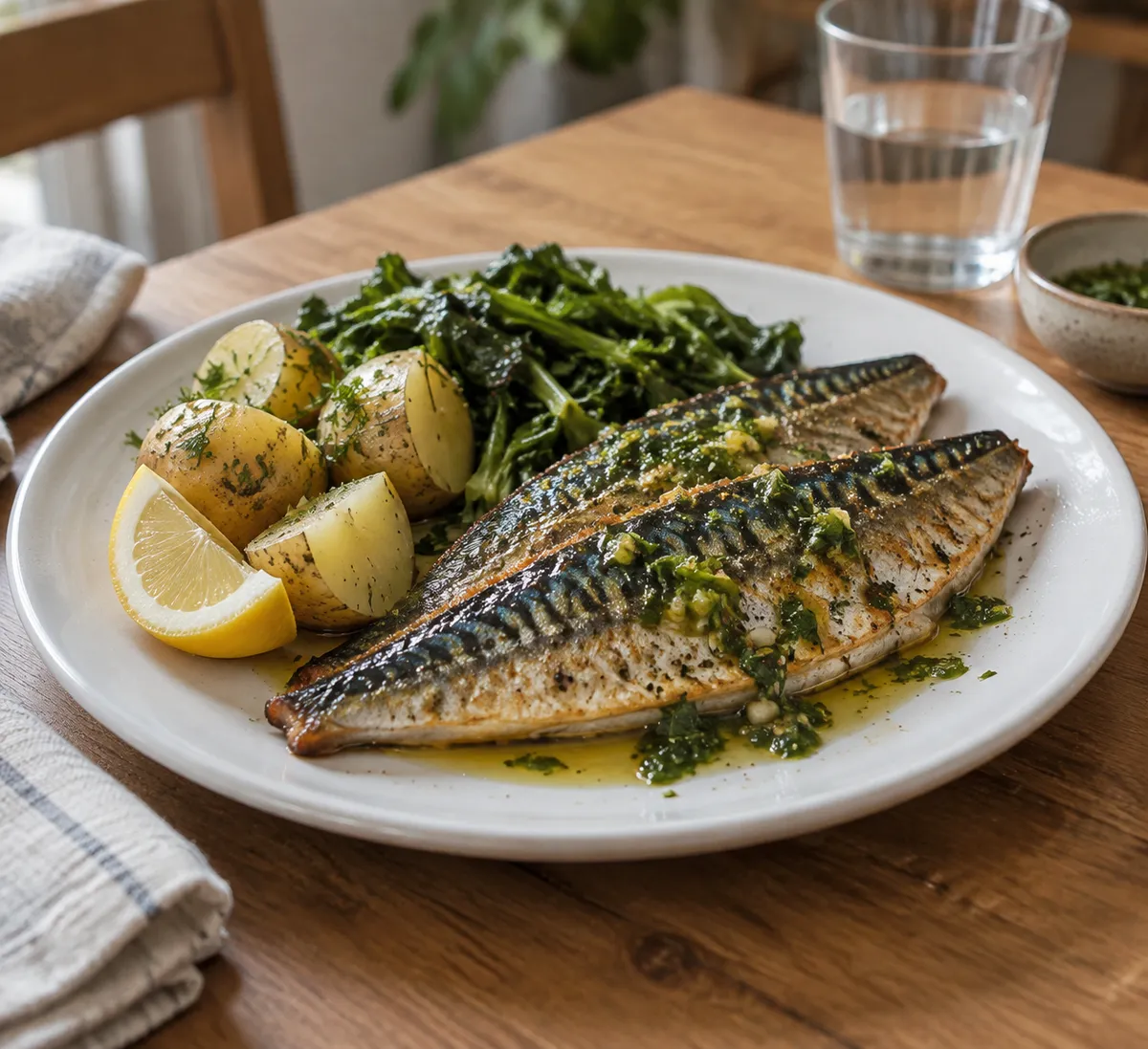
Swap in another oily fish with a similar richness. These stand up to bold flavours like soy and ginger, mustard, or lemon and herbs. Use the same marinade and the same cooking method, then check early, as thinner fillets cook faster.
If your recipe uses tuna
For tinned tuna dishes such as pasta, salads and sandwiches, try another tinned fish from the same shelf. It's an affordable pantry swap and needs no cooking at all. Drain well and add an extra squeeze of lemon if the fish is richer.
If your recipe uses shrimp
Other quick-cooking shellfish work in stir-fries, curries and pasta. Shellfish cook fast, usually just a few minutes, so add them at the very end and pull the pan off the heat as soon as they turn opaque.
A 20-minute template to try this week
This one-pan method works with almost any fillet, so the species can be whatever looks good and fairly priced at the counter.
Serves 2. Prep 5 minutes, cook 12 to 15 minutes.
- 2 fish fillets (about 150 g / 5 oz each)
- 1 tablespoon olive oil
- 1 lemon, half juiced and half sliced
- 250 g (9 oz) baby potatoes or a tin of drained cooked potatoes, halved
- A handful of cherry tomatoes
- Salt, pepper, and a pinch of dried herbs
- Heat the oven to 200°C (400°F).
- Toss the potatoes and tomatoes with half the oil, salt and pepper on a tray. Roast 10 minutes if using raw baby potatoes (skip if using tinned).
- Nestle the fillets among the vegetables, drizzle with the remaining oil and lemon juice, and top with lemon slices and herbs.
- Roast 10 to 12 minutes, until the fish flakes at its thickest point.
If the fish you chose is thinner, start checking at 8 minutes.
How to shop for something different
- Ask what's good today. Fish counters often have options beyond the big five. Asking is free, and staff can suggest what's fresh and how to cook it.
- Look at the price board. Less familiar fish can be more affordable, though that varies, so compare on the day.
- Use the freezer aisle. Frozen fillets are a low-pressure way to try something new, and they keep until you're ready.
- Buy one new thing at a time. Change one ingredient in a recipe you trust. That keeps the risk low.
Why bother?
The study's larger point, as reported by Phys, is that our narrow habits were shaped by shops, supply chains and convenience rather than by what we'd actually enjoy. That means they can be unlearned. Each time you try a fish you don't usually buy, you're a small vote for variety, and you may discover a new favourite.
This week, pick one fish recipe you already make and change the fish. Ask the counter what's good, keep the cooking method the same, and see how it goes.