If your rice keeps turning out clumpy, gummy, or just a little sad, the fix is probably smaller than you think. Fox News recently reported on chefs' advice about common rice mistakes, and the headline lesson is simple: rinsing basmati and jasmine rice before cooking is the key to fluffy, distinct grains that don't clump together in the pot.
Here's how to use that advice, plus the other mistakes the chefs flagged, so your next pot works.
The Step Most Home Cooks Skip: Rinsing
Per the Fox News report, the chefs' main point is that rinsing is what separates separate, fluffy grains from a sticky mass. Many home cooks tip rice straight from the bag into the pot. Rinsing first is a small extra step that pays off in texture.
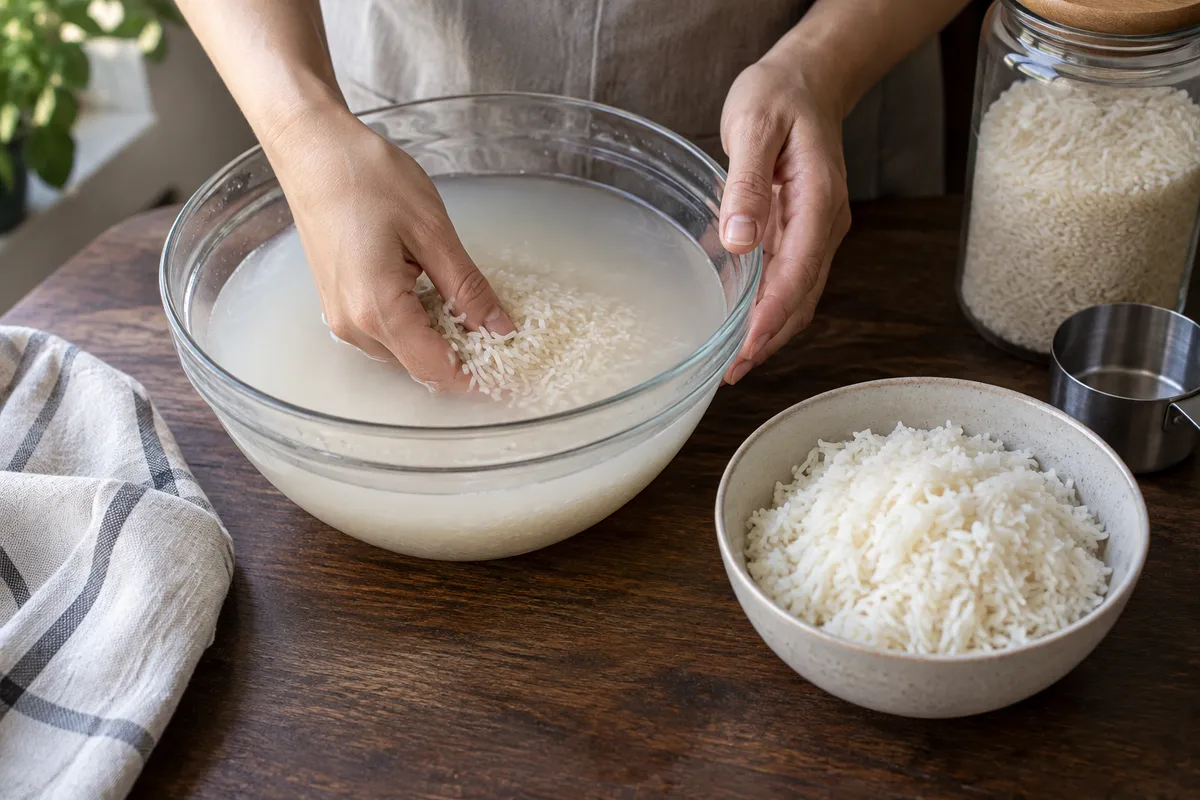
A simple way to rinse
The source doesn't give exact timings, so treat these as a practical starting point rather than chef-mandated rules:
- Put your rice in a bowl or fine-mesh strainer.
- Cover with cool water and swirl it with your fingers.
- Drain, then repeat until the water looks noticeably clearer.
- Drain well before cooking.
This usually takes a couple of minutes, which is a fair trade for better rice.
Don't Use One Method for Every Rice
The chefs also stress that rice isn't one-size-fits-all. Rinsing, soaking, water ratios, resting, and fluffing all depend on the variety you're cooking and the texture you want. A method that suits basmati may not suit another rice, so read the package and adjust.
What this means in your kitchen
- Basmati and jasmine: Rinse first for distinct grains.
- Other varieties: Check what texture you're after. If you want a creamier, stickier result, the same steps may not apply.
- Water ratio: Use the ratio on your package for that specific rice, not a number you memorized for a different one.
If you cook rice often, write the ratio for your favorite variety on a sticky note inside a cabinet door. It removes the guesswork.
Consider Soaking, Depending on the Rice
Soaking is one of the variables the chefs say depends on the variety. Some rices benefit from it and others don't need it. If your package suggests soaking, follow it. If it doesn't, skipping is fine. The point is to make it a choice based on the rice, not an automatic habit or an automatic skip.
Stop Stirring
One of the mistakes called out is stirring rice during cooking. Stirring can ruin the texture, which is why a lot of cooks end up with gummy rice despite doing everything else right.
Once your water and rice are in the pot and cooking, leave it alone. Resist lifting the lid and poking around. You'll get a better result by trusting the process.
Let It Rest, Then Fluff Gently
Two final steps get overlooked: resting and fluffing. The chefs say resting matters, and that fluffing should be gentle rather than aggressive.
- Rest: When the rice finishes cooking, give it time to sit before you serve it, rather than digging in right away.
- Fluff: Use a fork or a rice paddle and lift the grains lightly. Rough, aggressive fluffing can break them up and undo your good work.
Quick Troubleshooting
If your rice goes wrong, match the symptom to the likely cause based on the chefs' advice:
- Clumpy or gummy: You may have skipped the rinse, stirred during cooking, or fluffed too hard.
- Undercooked: Check that you used the right water ratio for your variety, and consider whether that rice benefits from soaking.
- Mushy and broken: Fluff more gently next time, and let it rest first.
The source doesn't spell out a rescue method for already-cooked batches, so the best fix is prevention on the next pot.
Flavor Worth Chasing
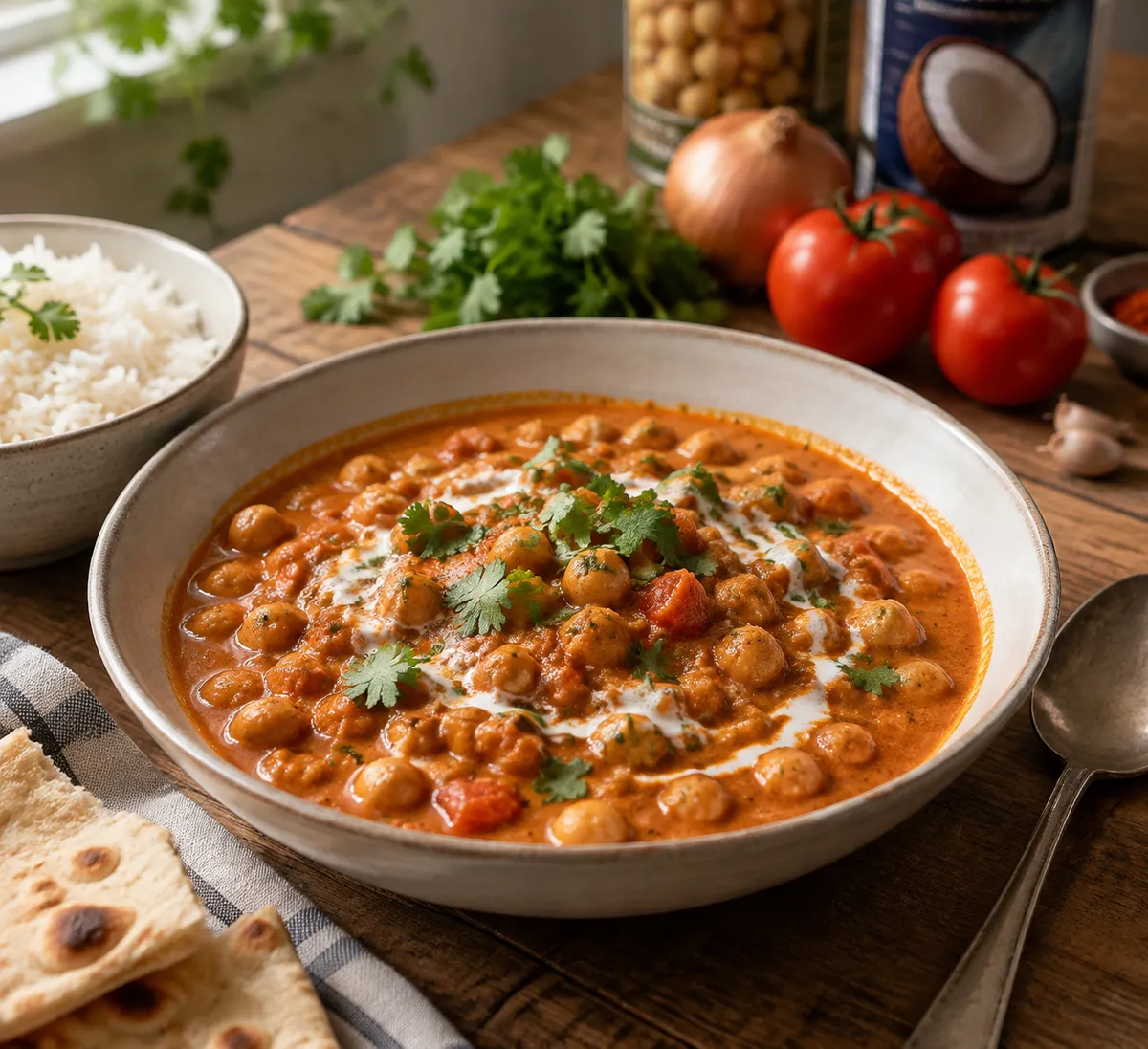
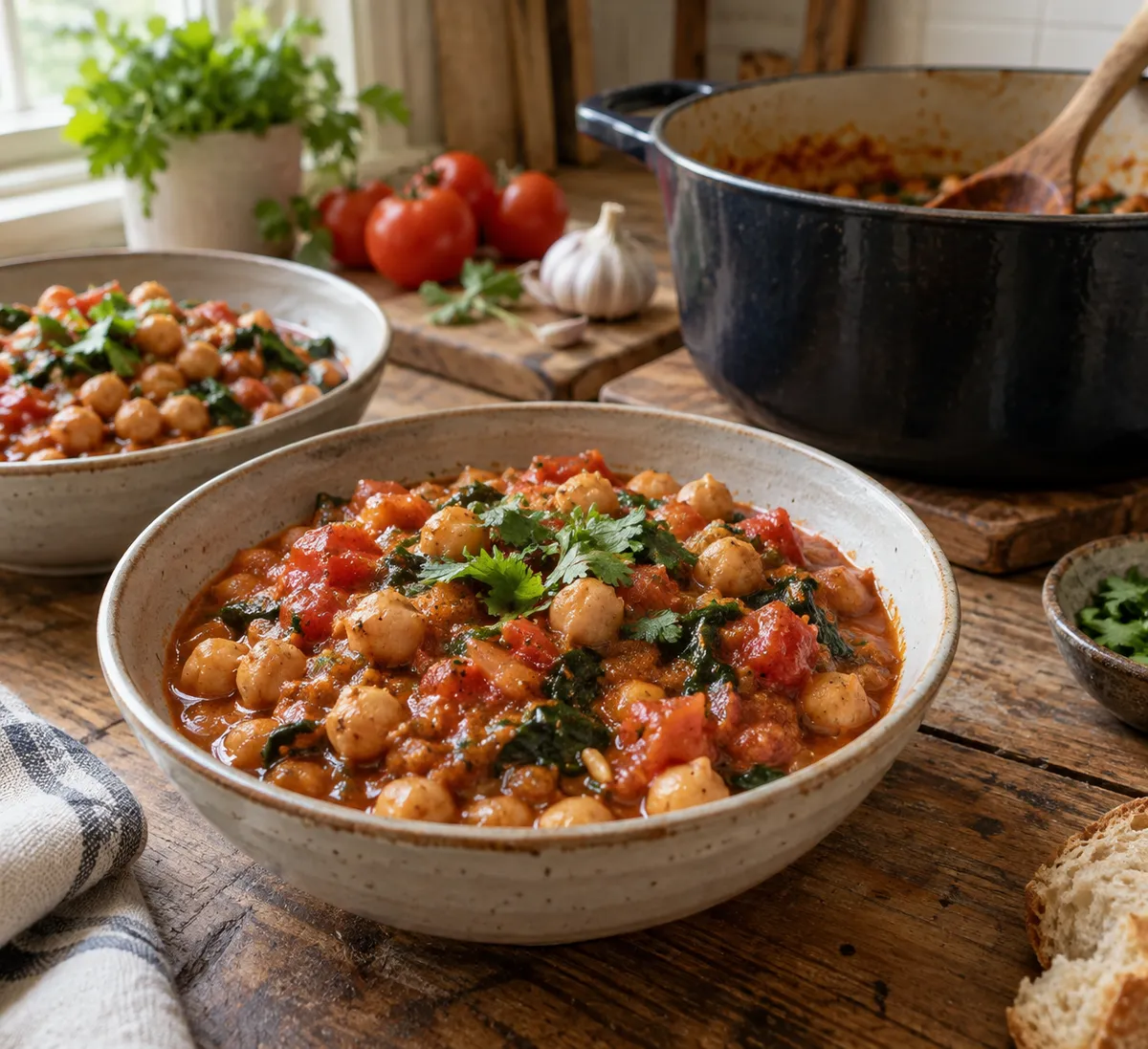
Basmati and jasmine are staples in many cuisines, and both shine when the grains stay separate. Fluffy basmati is a natural partner for saucy dishes, since each grain can carry flavor. Jasmine does the same. Getting the rice right is the cheapest upgrade you can make to almost any dinner.
Your Next Move
The next time you make basmati or jasmine, rinse until the water runs clearer, leave the lid and spoon alone while it cooks, then let it rest and fluff gently with a fork. That's the whole upgrade.