A UK government watchdog has said homes in the UK aren't prepared for possible food supply disruptions caused by things like cyberattacks, power outages, disease outbreaks or extreme weather, according to a report from Medicalxpress. The advice that usually follows is vague: keep some "nonperishable food." That's not much help when you're standing in a supermarket aisle.
Here's a more useful version. By the end of this article, you'll have a simple framework for an emergency pantry that's balanced, affordable, and made of food you'd actually want to eat. No panic required. Most of it is just a well-stocked cupboard you rotate through in normal life.
Think Balance, Not Just Shelf Life
The core idea in the Medicalxpress piece is that preparedness should go beyond "nonperishable food." A cupboard full of salty, low-fiber convenience items will keep, but it won't keep you feeling good. Aim to cover these groups:
- Protein
- Whole-grain carbohydrates
- Canned vegetables
- Water
- Practical extras, including a multivitamin and a can opener
That's the whole framework. Everything below is how to fill it in.
Protein: Your Anchor
Protein keeps meals filling, which matters when your choices are limited. Shelf-stable options are easy to find at low cost. Think canned beans and chickpeas, canned fish, lentils, and nut butters. Pick a few from the list and buy several of each, rather than one of everything.
A beginner-friendly rule: stock enough that every day has one protein you can eat cold, straight from the can or jar, in case you can't cook.
Whole-Grain Carbs: The Filling Base
Choose whole-grain versions where you can, such as brown rice, oats, whole-wheat pasta, and whole-grain crackers. They bring fiber, which is easy to miss in an emergency diet built from refined foods.
One practical note: rice and pasta need water and heat to cook. If a power outage is your scenario, add a few items that need neither, like oats you can soak or crackers to pair with your protein.
Canned Vegetables: Easy Nutrition
Canned vegetables like tomatoes, sweetcorn, carrots, and peas give you color and vitamins when fresh produce is scarce. Tomatoes are especially handy because they turn almost anything into a sauce.
When shopping, check labels. Too much salt is a common pitfall of stockpiles built from tinned and packaged foods, so lower-salt options are worth reaching for when you see them.
Water and the Overlooked Items
Water is the item people skip because it feels too obvious. Store it deliberately. Alongside it, add two small things:
- A multivitamin. It's an inexpensive backstop if your diet narrows for a while.
- A manual can opener. A pantry full of cans is useless without one, and an electric opener won't help in an outage.
Three Meals That Don't Feel Like a Emergency
These use only the categories above. Quantities serve two, and each takes roughly 15 to 20 minutes. They're my own suggestions, not from the report, so adjust to taste.
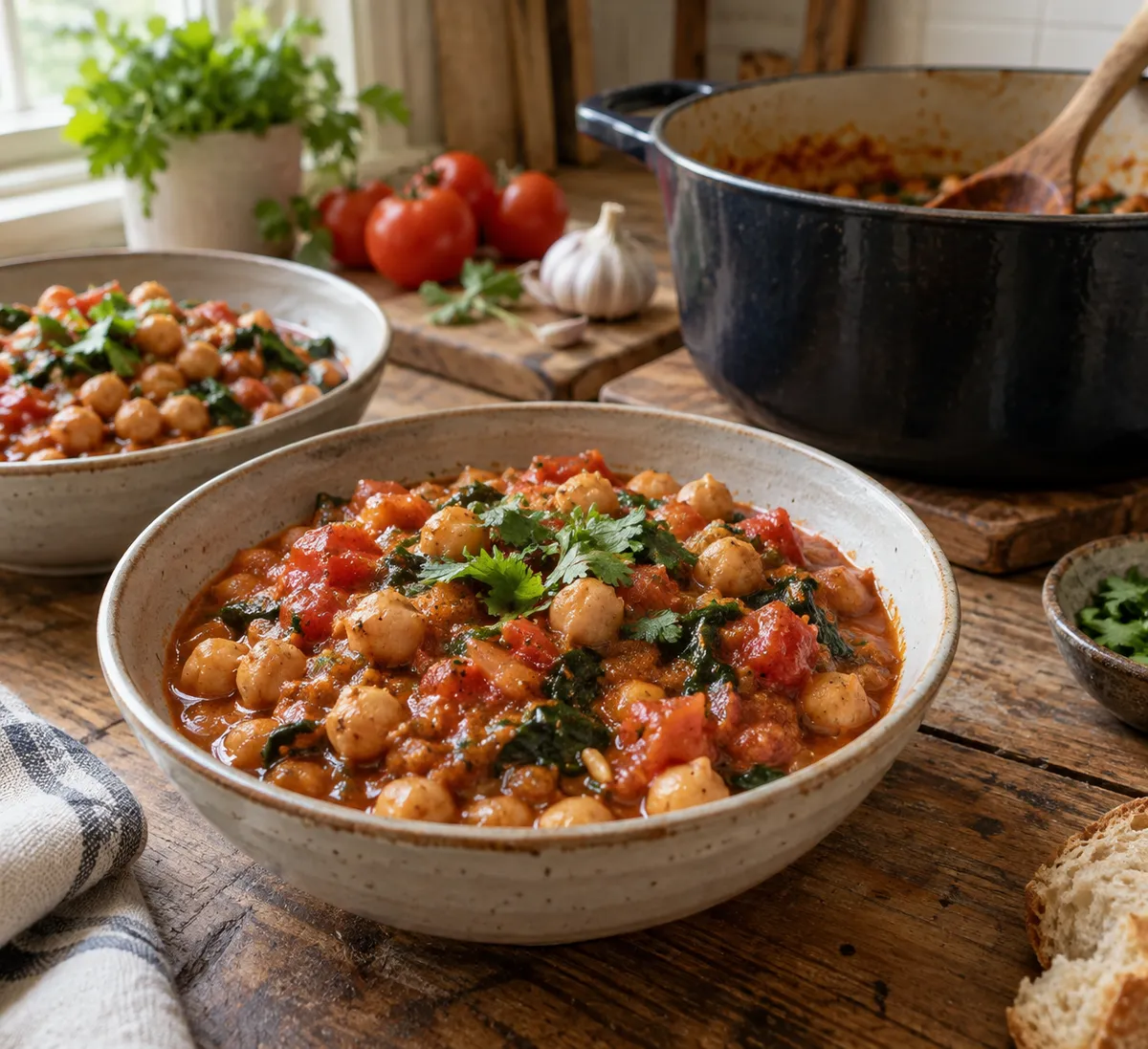
Chickpea and Tomato Stew (Mediterranean-inspired)
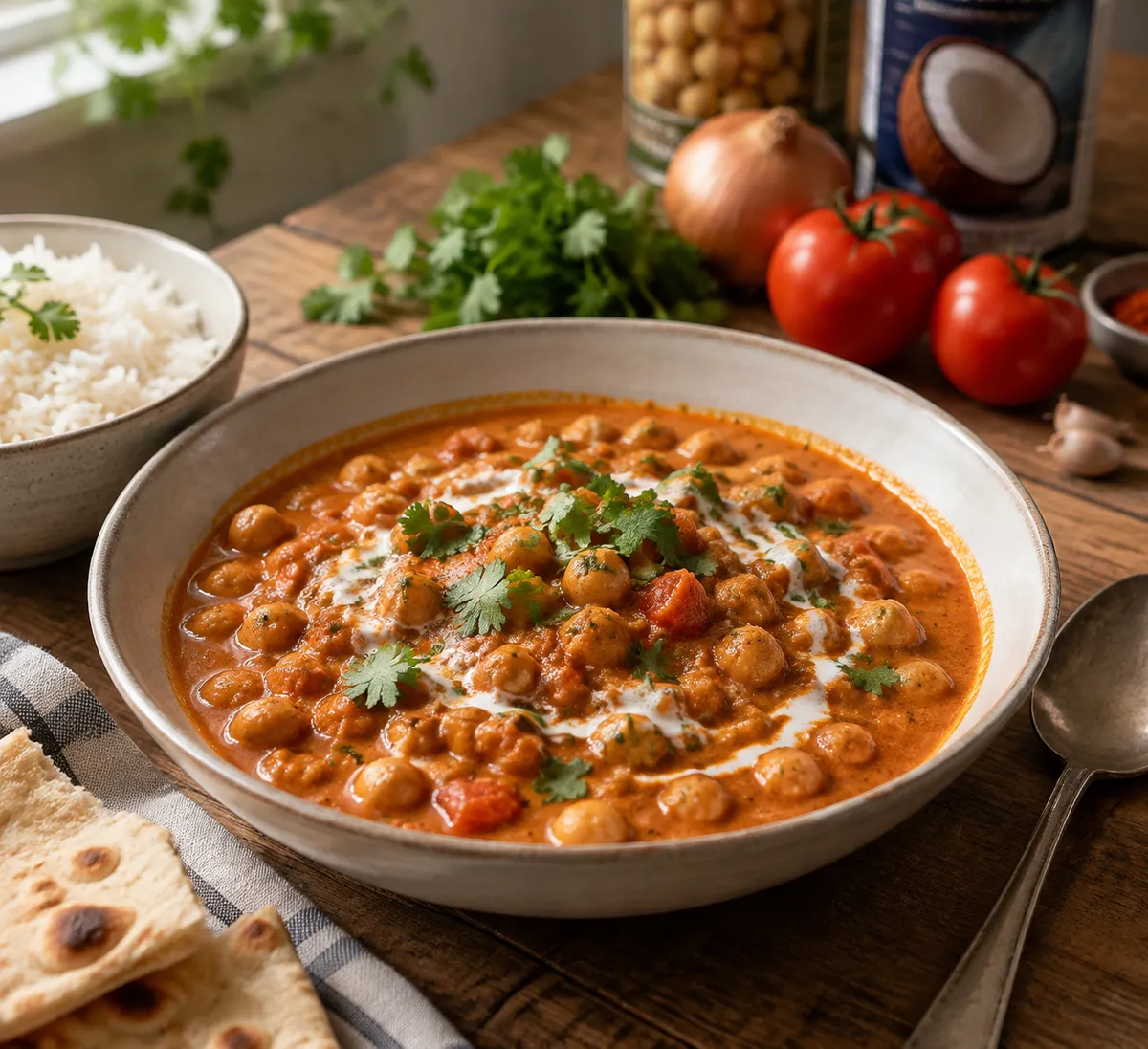
Warm one can of chickpeas (drained) with one can of chopped tomatoes in a pan for about 10 minutes. Season with salt, pepper, and any dried spices you have, such as cumin or paprika. Serve with whole-grain crackers or over cooked brown rice.
Tuna and Bean Salad (no cooking needed)
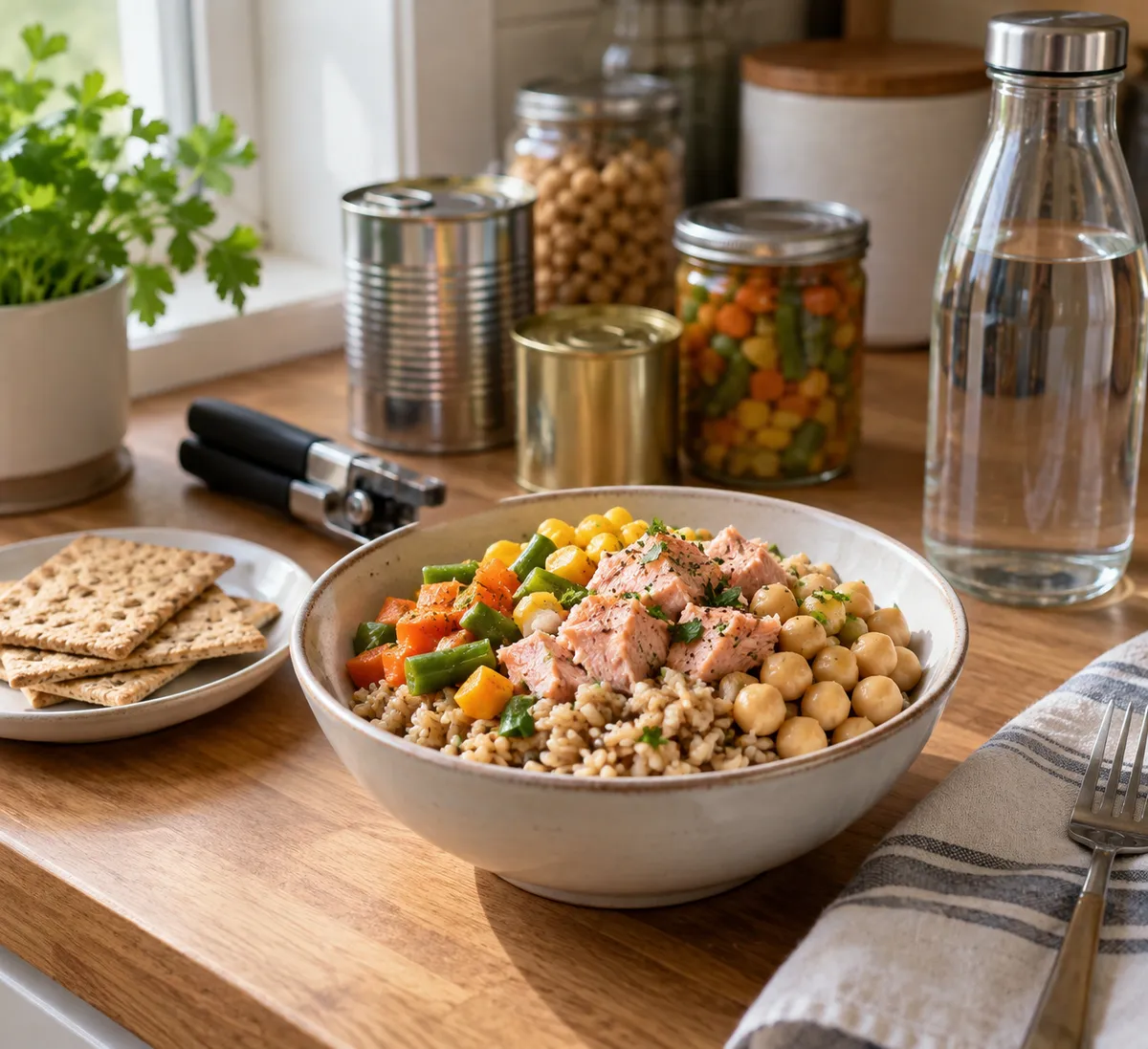
Combine one drained can of tuna, one drained can of white beans, and a can of sweetcorn. Add a squeeze of lemon or a splash of vinegar if you have it. It takes five minutes and needs no heat.
Spiced Lentil Rice Bowl
Simmer 1 cup of rice with 1/2 cup of dried lentils in about 3 cups of water until both are tender, which can take 25 to 30 minutes for brown rice. Stir in canned carrots or peas at the end. Flavor with whatever spices are in your cupboard.
The trick across all three is flavor. A small collection of dried spices, vinegar, or lemon juice makes canned food taste like a meal rather than a fallback.
Common Mistakes to Avoid
- Too much salt. Heavily salted foods dominate many stockpiles. Mix in lower-salt choices.
- Not enough fiber. Lean on whole grains, beans, lentils, and vegetables.
- Forgetting the tools. Can opener first, everything else second.
- Buying food you won't eat. If you don't like it now, you won't like it in a crisis.
Build It Gradually
You don't need to buy it all in one trip. Add two or three items to each weekly shop, and cook from the pantry now and then so older stock gets used and replaced. Over a few weeks, you'll have a cupboard that serves both everyday dinners and the rare bad week.
This week, pick one protein, one whole grain, one canned vegetable, and a can opener. That's a start worth making.