Travelling for food is growing. The Business Times reports that culinary tourism is on the rise, with travellers choosing destinations based on local cuisine, restaurants, markets, and dining culture. Food is increasingly a reason to go, not just something you do between sights.
That's good news if you love eating, because you don't need a huge budget or a travel-writer's contacts to do it well. Here's a simple way to plan a trip where the food comes first, and how to practice at home before you book anything.
Start With a Dish, Not a Destination
Most trip planning begins with a place. Flip it. Think of a dish or flavor you keep craving or want to understand better, then look at where it's from.
Try this quick exercise:
- Write down three foods you've eaten recently and loved.
- Next to each, note what you liked: spicy, sour, smoky, creamy, crunchy.
- Search for regions known for that flavor profile.
You end up with a shortlist built on your own taste, rather than a generic "best food cities" ranking. The Business Times describes the trend as travellers seeking more immersive, authentic experiences beyond sightseeing. Starting from a flavor you already love is the easiest way to get there.
Build the Itinerary Around Meals
A food-first itinerary treats meals as the fixed points and sightseeing as the filler. A realistic daily shape looks like this:
- Morning: One local breakfast spot or a market visit. Markets are an easy way to see what's in season and what locals actually buy.
- Midday: The main meal, when many places are busiest and often best value.
- Afternoon: Walk it off. Sights, neighborhoods, a snack stop.
- Evening: A lighter meal, or one planned splurge.
Don't book every meal. Reserve one or two you'd hate to miss, and leave the rest open so you can follow a good smell or a long line of locals.
Street Food vs. Fine Dining: You Don't Have to Choose
Both are legitimate ways to understand a place, and they teach you different things.
Street food and markets
This is where you taste everyday cooking, usually cheaply. Order small amounts and try several things instead of filling up on one. Look for stalls that make one or two items, and watch what other people are ordering.
Restaurants and fine dining
A sit-down meal shows how a cuisine is interpreted by chefs and how a place thinks about its own food. One memorable restaurant meal per trip is plenty. Lunch menus are often a gentler way in than dinner.
A good balance for a beginner: mostly casual eating, with a single special meal as the anchor of the trip.
Eat Well Without Overspending
Food travel has a reputation for being pricey, but the best-value eating is often the most local.
- Make lunch your big meal.
- Share dishes so you can sample more.
- Walk a few streets away from the main tourist squares before choosing a place.
- Buy snacks and fruit at markets instead of relying on hotel options.
- Learn how to say a few food words, such as "what do you recommend?" in the local language.
Practice at Home First
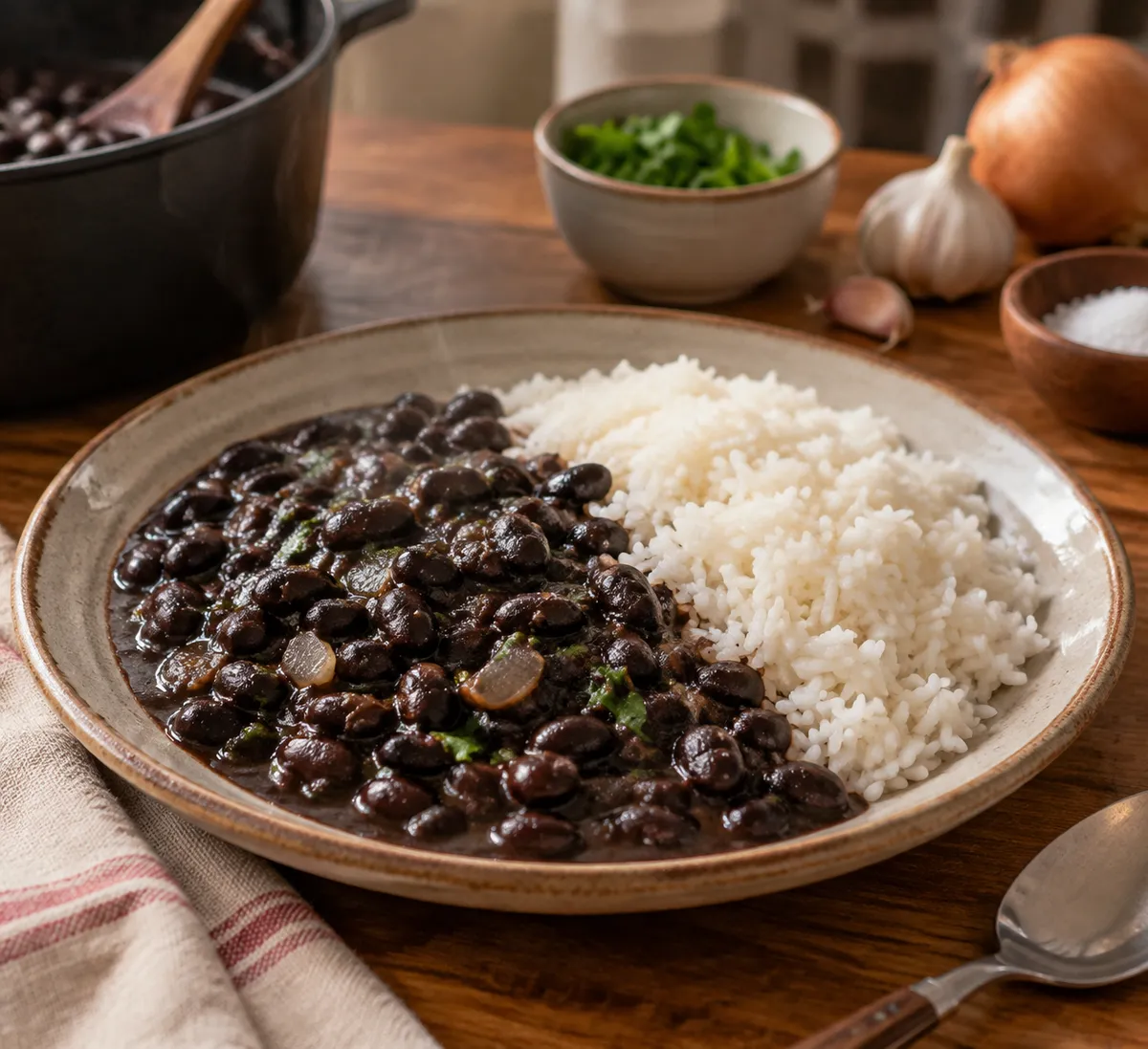
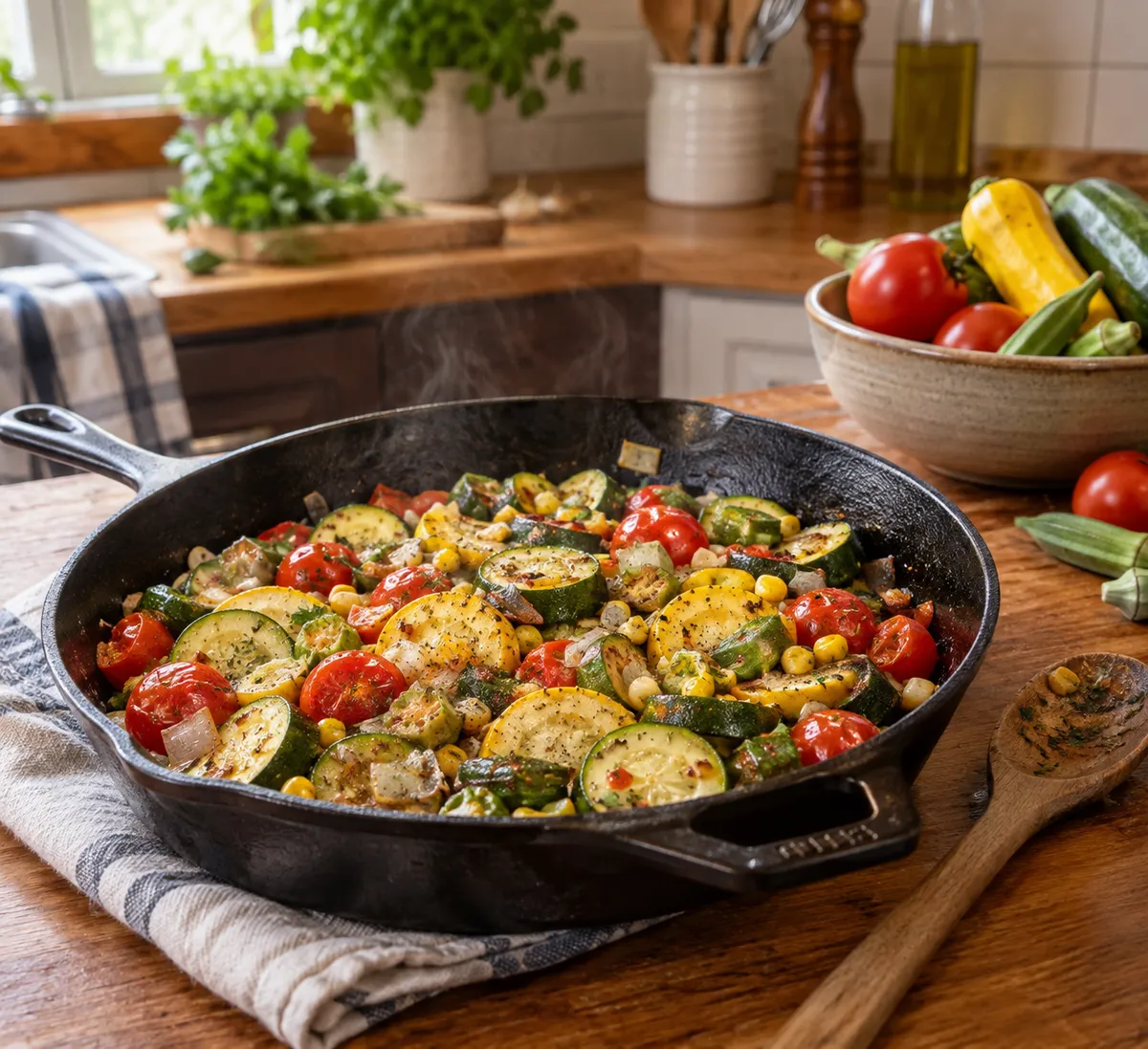
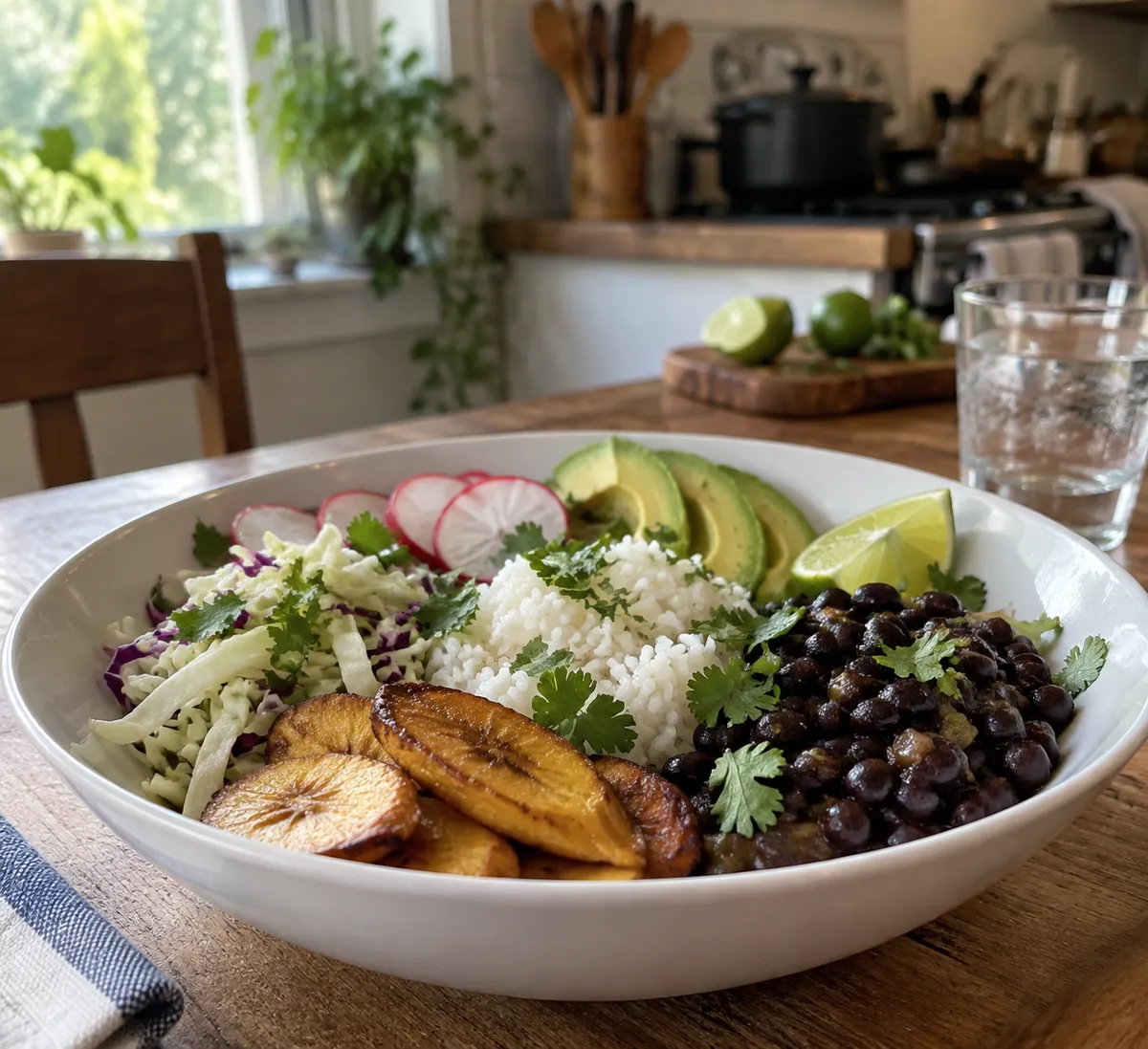
You can rehearse a food trip in your own kitchen. Pick a cuisine you're curious about and cook one simple, approachable dish from it this week. Pay attention to the pantry staples that keep appearing: a particular chili, a sour element like vinegar or citrus, a fermented sauce, a specific herb.
Then visit a grocery store or market that sells that cuisine's ingredients and taste a few things you can't name. When you eventually travel, those flavors won't be strangers, and you'll know what you like.
This also helps you decide whether a destination is worth the trip. If you find yourself excited every time you cook its food, that's a useful signal.
A Simple Food-First Planning Checklist
- Choose a destination based on a dish or flavor you love.
- Pick one or two must-eat meals and reserve them.
- Add a market visit on your first full day.
- Plan lunch as your main meal on most days.
- Leave at least one meal a day unplanned.
- Save a short list of dishes to try, not just restaurants.
Your Next Step
Before you open a booking site, pick one dish you can't stop thinking about and cook your own version this week. Where that dish leads you is your first destination.