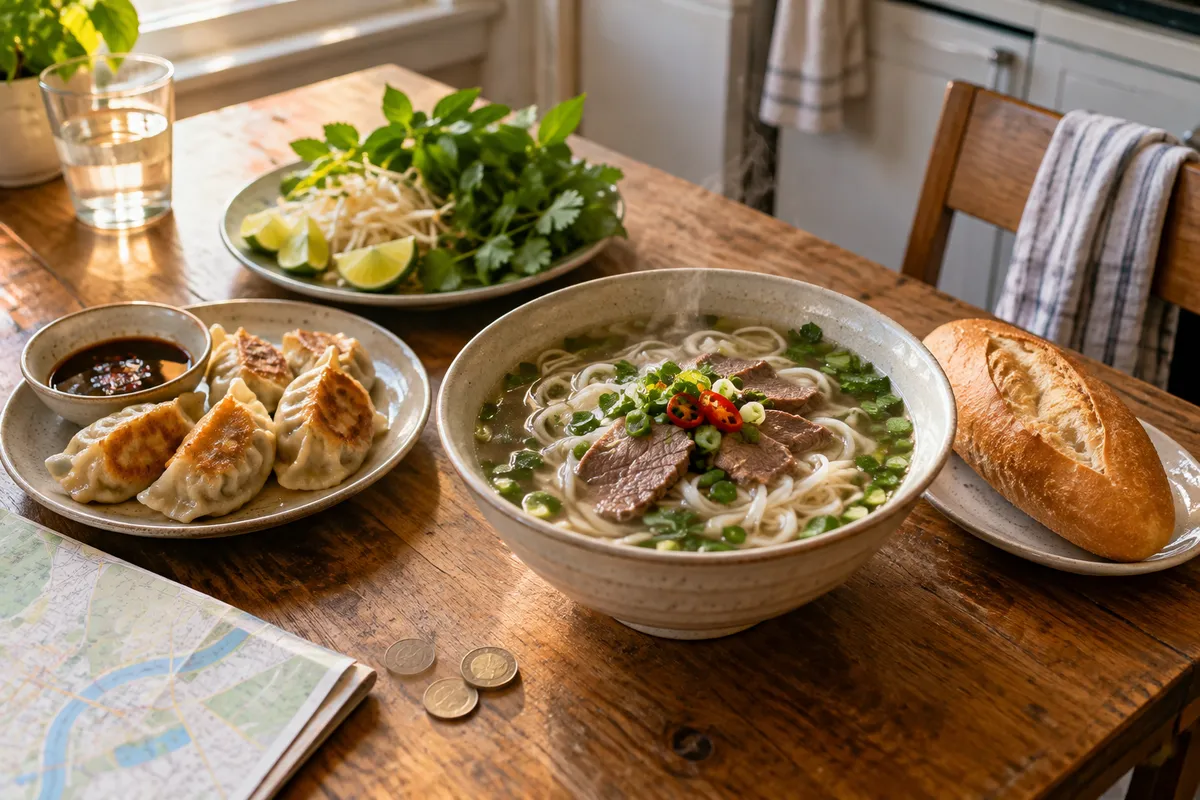
Realsimple.com recently ran a piece on why its writer plans every vacation around food, along with nine tricks for making trips more delicious and memorable. The idea is simple: meals, markets, and local specialties are what you remember. This guide takes that idea and focuses on one practical question: how do you build a trip around food without turning it into a spreadsheet?
The answer is a light structure. Anchor a few meals, leave the rest open, and use the habits below to fill the gaps.
Start With a Short List of Local Specialties
Before you go, find out what the place is known for. Per Real Simple's list, researching local specialties is the first trick, and it makes sense: you can't seek out a dish you don't know exists.
Keep it small. Write down a handful of dishes, drinks, or snacks you want to try. That list becomes your compass. When you're hungry and unsure, you have something to look for instead of defaulting to the nearest menu with photos.
Pick a Few Standout Meals, Then Build Around Them
Real Simple suggests building your itinerary around standout meals. You don't need to do this for every day. Choose one or two meals that matter most, then plan the surrounding sightseeing near them.
This helps in a practical way: you're not crossing a city at the last minute, and you walk into the meal hungry and unhurried.
Book the Key Ones Early
The piece also recommends booking key restaurants in advance. Reserve only your must-haves. Everything else can stay flexible, which brings us to the next point.
Leave Room for Spontaneous Finds
One of the nine tricks is to leave space for unplanned discoveries. This is what keeps a food-first trip from feeling like a checklist.
A workable rule: for every day, plan at most one meal. Let the other meals happen. A bakery you walk past, a stall with a line of locals, a cafe you stumble into: these are often the meals you'll talk about later.
Ask Locals Where They Actually Eat
Asking locals where they eat is another of the nine tricks. The word "actually" matters. A hotel desk will often point you to the obvious place, so make the question more specific.
Try questions like:
- Where do you go for a regular weekday lunch?
- Where would you take a friend visiting from out of town?
- What's the one dish I shouldn't leave without trying?
Specific questions tend to get specific answers, and they help you steer clear of tourist traps.
Spend Time at Markets, Bakeries, and Food Halls
Real Simple points travelers toward markets, bakeries, and food halls. They're useful for a few reasons, and none require a reservation:
- You can sample several local foods in one stop.
- They suit a tight budget, since you can buy small portions.
- They show you what's local and in season.
A good move is to treat a market visit as a meal. Walk the whole place once before buying, then go back for what looked best.
Take a Food Tour or Cooking Class
A food tour or cooking class is also on the list. Both are good early in a trip, because they teach you what to order and what to look for for the rest of your stay.
A cooking class has an extra benefit for home cooks: you leave with a technique or dish you can try in your own kitchen. Even a beginner can bring back one simple recipe from a place they visited.
Shop for Edible Souvenirs
Edible souvenirs are the eighth trick, and they stretch the trip past the flight home. Think of things that travel well: shelf-stable foods, spices, sweets, or pantry staples from a local market.
Before you buy, check your airline's and your home country's rules on bringing food across borders. Pack anything fragile in the middle of your suitcase, wrapped in clothes.
Document Meals as Part of the Memory
The last trick is to document your meals. A photo works, but so does a few lines in your phone notes: the dish, the place, what made it good. Months later, those notes are a ready-made list for recreating the flavors at home.
A Simple Food-First Plan You Can Copy
Here's one way to combine all nine without overplanning:
- Two weeks out: List a handful of local specialties to try.
- One week out: Choose one or two standout meals and book them.
- Day one: Take a food tour or visit a market to get your bearings.
- Each day: Ask one local where they eat. Plan one meal at most, and leave the others open.
- Last day: Shop for edible souvenirs and finish your meal notes.
The Takeaway
Before your next trip, pick just one meal worth planning around, book it, and leave everything else open. That single anchor is enough to make the whole trip taste like somewhere.