Before you chop, season or turn on a burner, your dinner is already half decided. It was decided in the produce aisle. By the end of this article, you'll have a simple three-sense routine for choosing fruits, vegetables and herbs that taste better, so even a basic recipe comes out stronger.
That's the idea behind advice from Carmen Perr, the Los Angeles-based author of "Cook What Grows." Per Fox News, Perr says better home cooking starts before you enter the kitchen, and she shares tips for selecting quality produce by paying attention to texture, color and aroma while you shop.
The source material doesn't spell out her item-by-item rules, so what follows is the framework she points to, plus some general common-sense ways to apply it. Where I'm adding my own suggestions, treat them as practical starting points rather than Perr's words.
Why shopping is the first cooking step
A recipe can only work with what you give it. A flavorful tomato needs little more than salt and olive oil. A bland one needs a lot of help. Choosing well means you can cook simply, spend less on add-ons and waste less food, since produce you picked carefully is more likely to get eaten at its best.
This matters most if you're cooking on a budget or cooking seasonally. When you buy fewer, better ingredients, each one has to earn its place in your basket.
Use three senses, not one
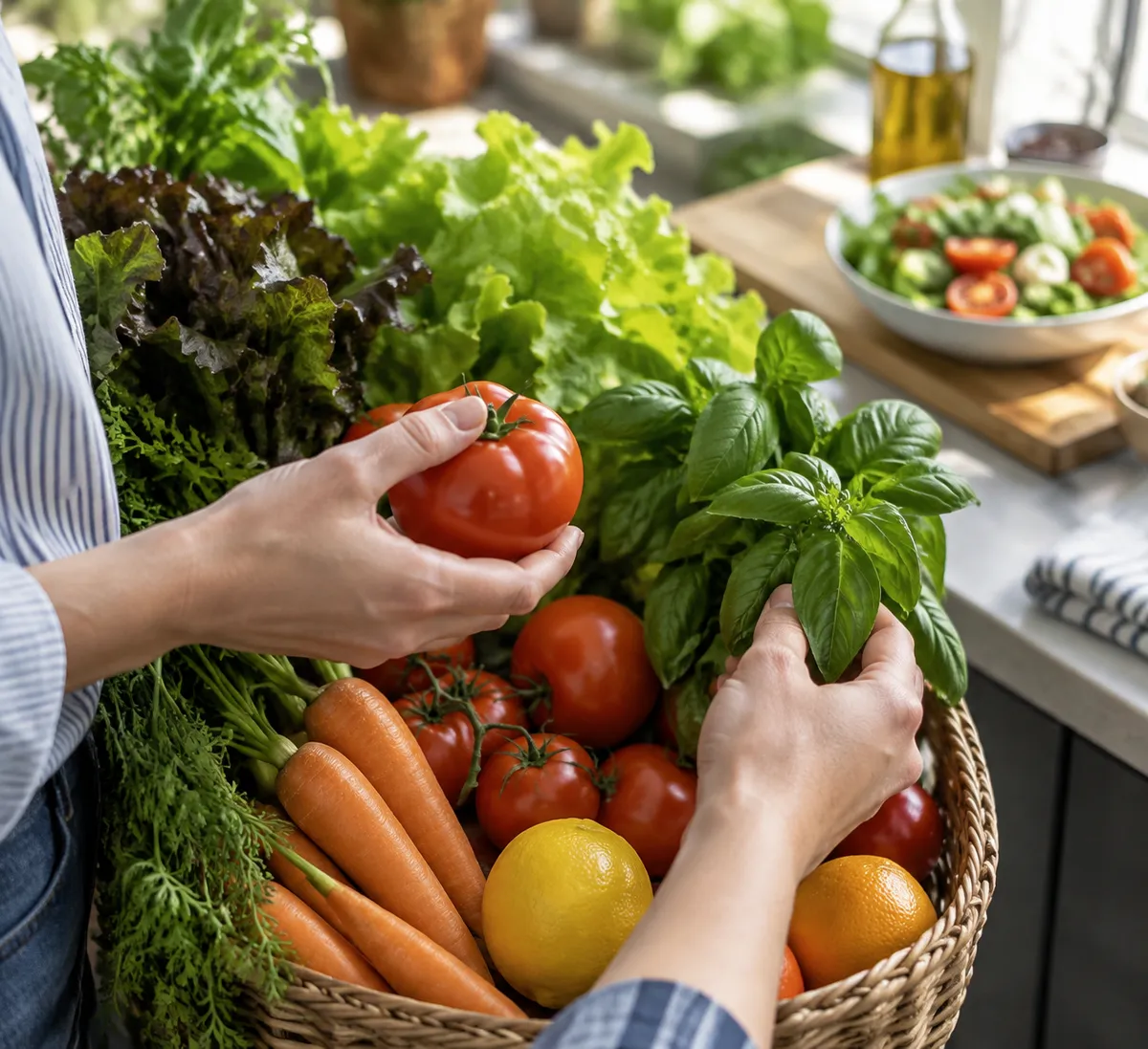
Most of us shop with our eyes alone. Perr's approach adds touch and smell, and the three together tell you far more than any single cue.
Texture: what your hands can tell you
Gently pick the item up. Don't squeeze hard, since bruising it ruins it for the next shopper. A light press or a feel for its weight is usually enough.
Some general ways to use touch:
- Fruit: Look for a little give rather than rock-hard or mushy. Fruit that feels heavy for its size is often juicier.
- Leafy greens and herbs: They should feel crisp and perky, not limp or slimy.
- Firm vegetables like carrots or zucchini: They should feel solid, not rubbery or soft.
Color: what your eyes can tell you
Color is a clue to ripeness and freshness. Look for rich, even color that suits the item. Dull, faded or patchy color can signal that something is past its best or was picked too early. Greens that are yellowing or edges that are browning are worth a second look.
Keep in mind that perfect-looking isn't the goal. A slightly misshapen tomato with deep color can beat a flawless pale one.
Aroma: the cue most people skip
Smell is the sense that surprises beginners. Ripe fruit often smells like itself, and fresh herbs smell vivid when you brush or gently pinch a leaf. If a bunch of basil or cilantro has almost no scent at the store, it likely won't add much flavor to your dish either.
Smell also warns you off. A sour, musty or fermented odor means move on.
A 60-second routine at the produce stand
Try this on your next trip. It takes about a minute per item once you get used to it.
- Look first. Scan the pile for good, even color and no obvious damage.
- Pick it up. Notice weight and firmness. Is it crisp, plump or slightly yielding, as it should be?
- Smell it. Bring it close to your nose. You want a fresh, true scent.
- Compare two. If you're unsure, check a second one next to it. The difference teaches you faster than any rule.
Start with just two or three items you buy often, like tomatoes, lemons and a bunch of herbs. You'll build a feel for them quickly.
Matching what you buy to when you cook it
Here's a practical tip of my own, not from Perr: think about when you'll eat the item. Buying something fully ripe for tonight's dinner makes sense. For meals later in the week, pick items that are a bit firmer so they ripen on your counter instead of spoiling. This is a simple way to cut waste.
It also helps to buy herbs and delicate greens closer to when you'll use them, since they fade fastest.
Let the produce set the menu
Perr's book title, "Cook What Grows," points to a helpful mindset: let what looks best at the market guide what you make. Instead of arriving with a rigid list, go in with a flexible plan. If the tomatoes are gorgeous, build dinner around them. If the herbs smell incredible, make them the star of a sauce or a salad.
That flexibility is also a good way to try new flavors. A vegetable you've never cooked is far more inviting when it's fresh and fragrant, and a simple preparation like roasting with oil and salt, or tossing with herbs and lemon, lets it shine.
Farmers markets and grocery stores both work
You don't need a farmers market to use these cues. The same three senses work at any store. A farmers market does make it easier to handle and smell what you're buying, and vendors can tell you what's at its peak. At a supermarket, you may have more packaged items, so look for ways to check what you can through the packaging, or choose loose produce when you want to inspect it closely.
The takeaway
Next time you shop, slow down for ten extra seconds per item: look, touch, smell. Do it, and you'll cook better dinners before you ever pick up a knife.