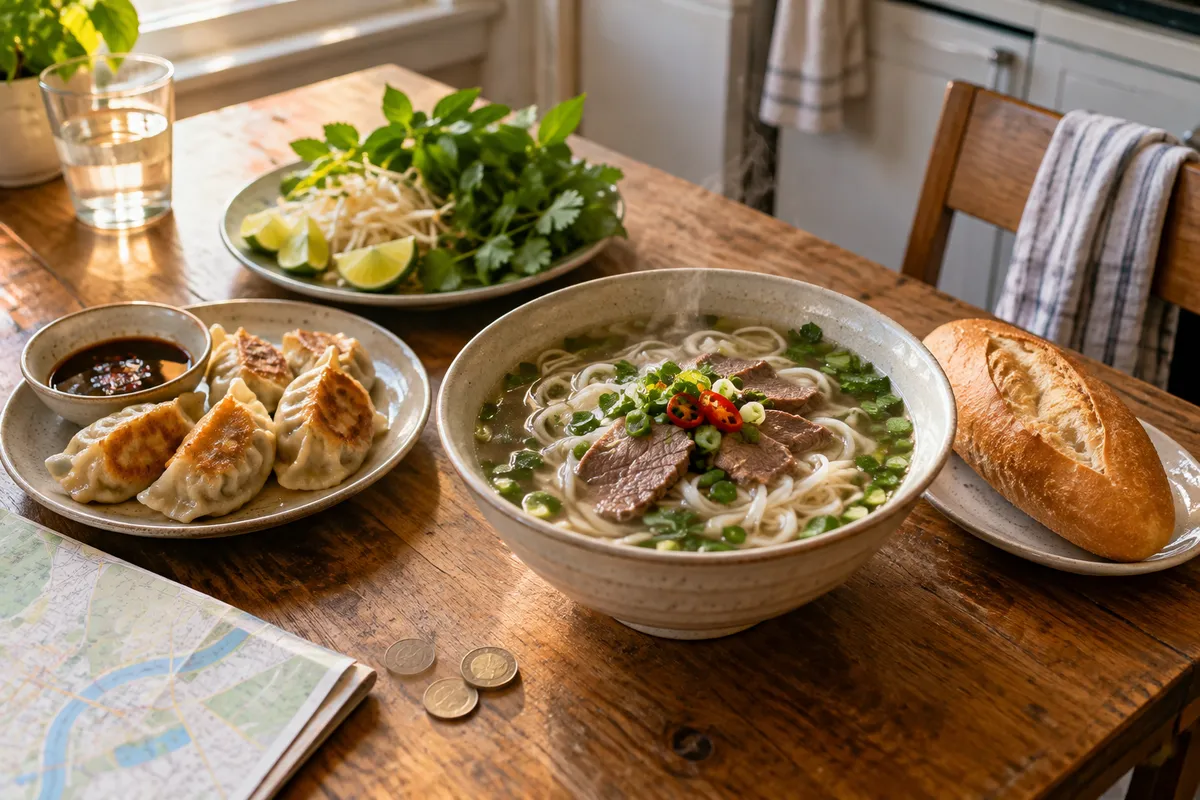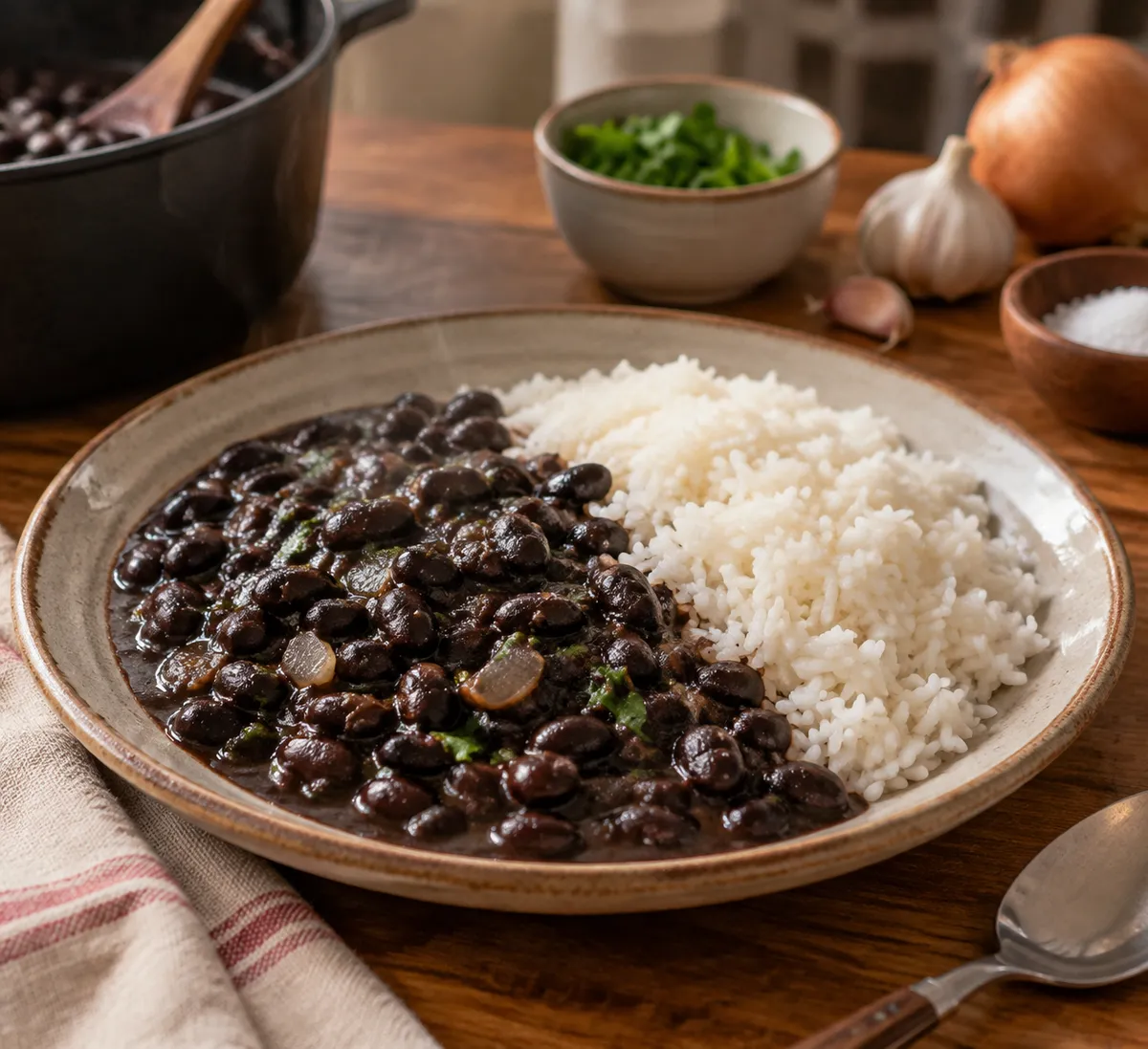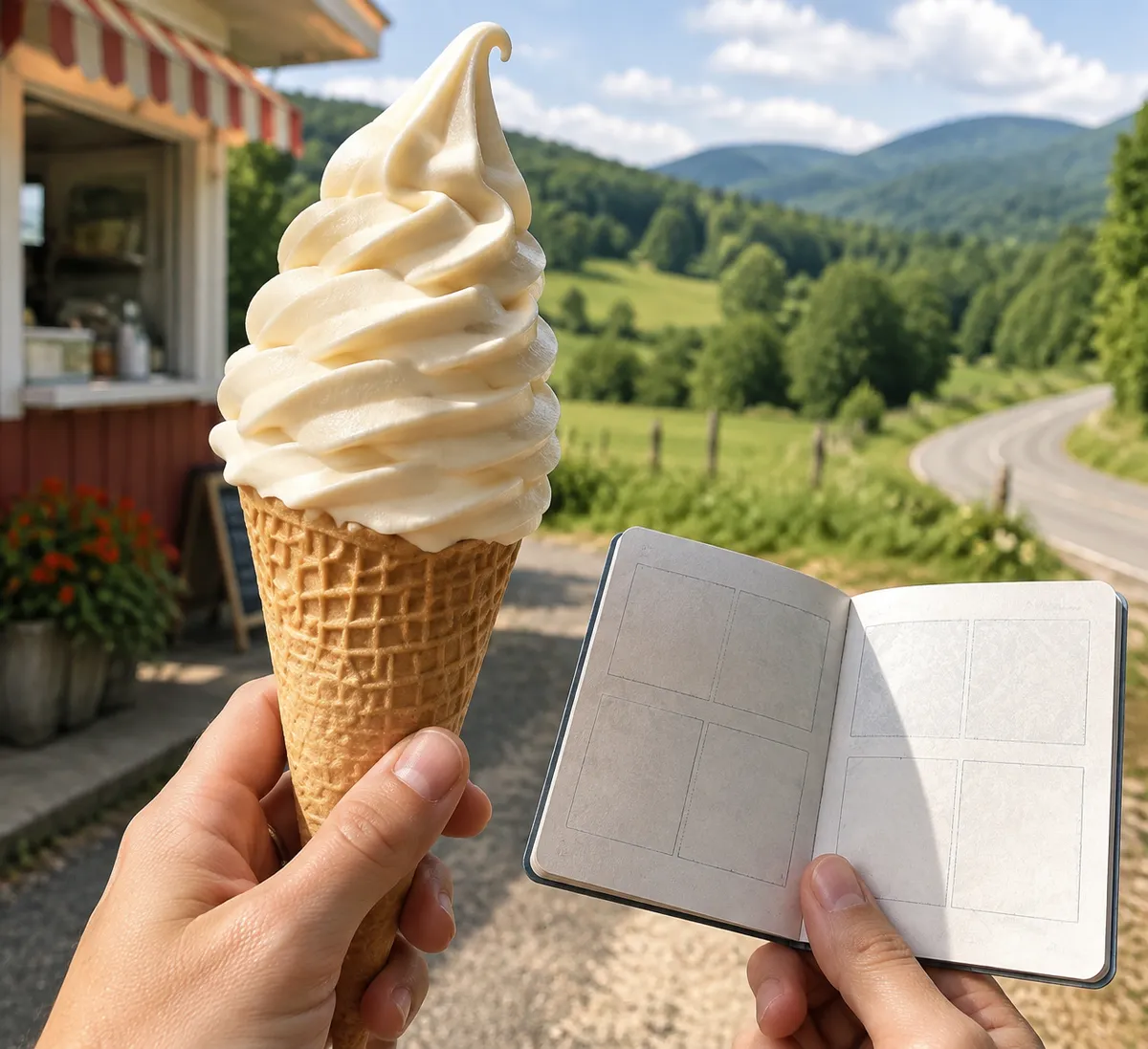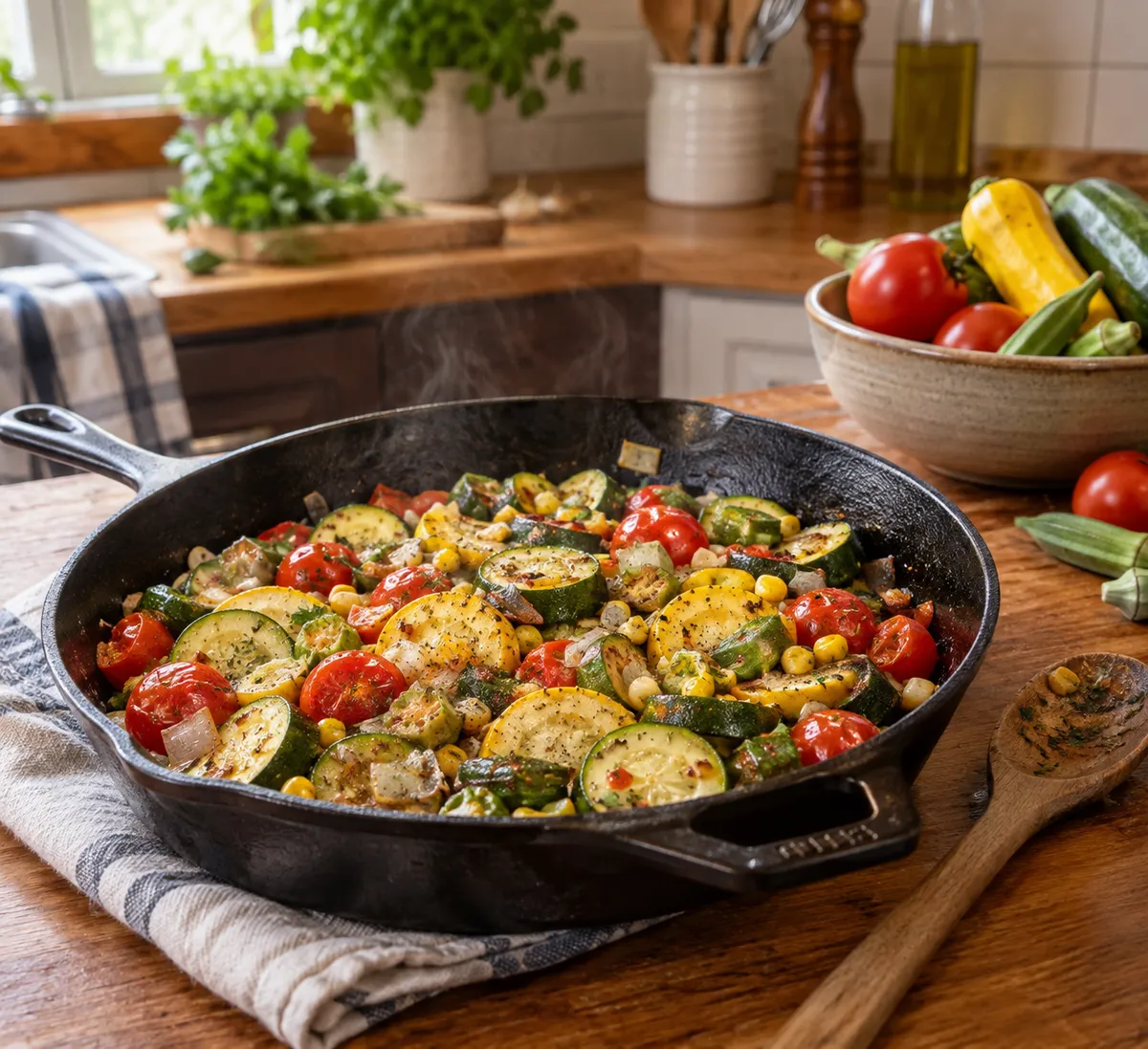
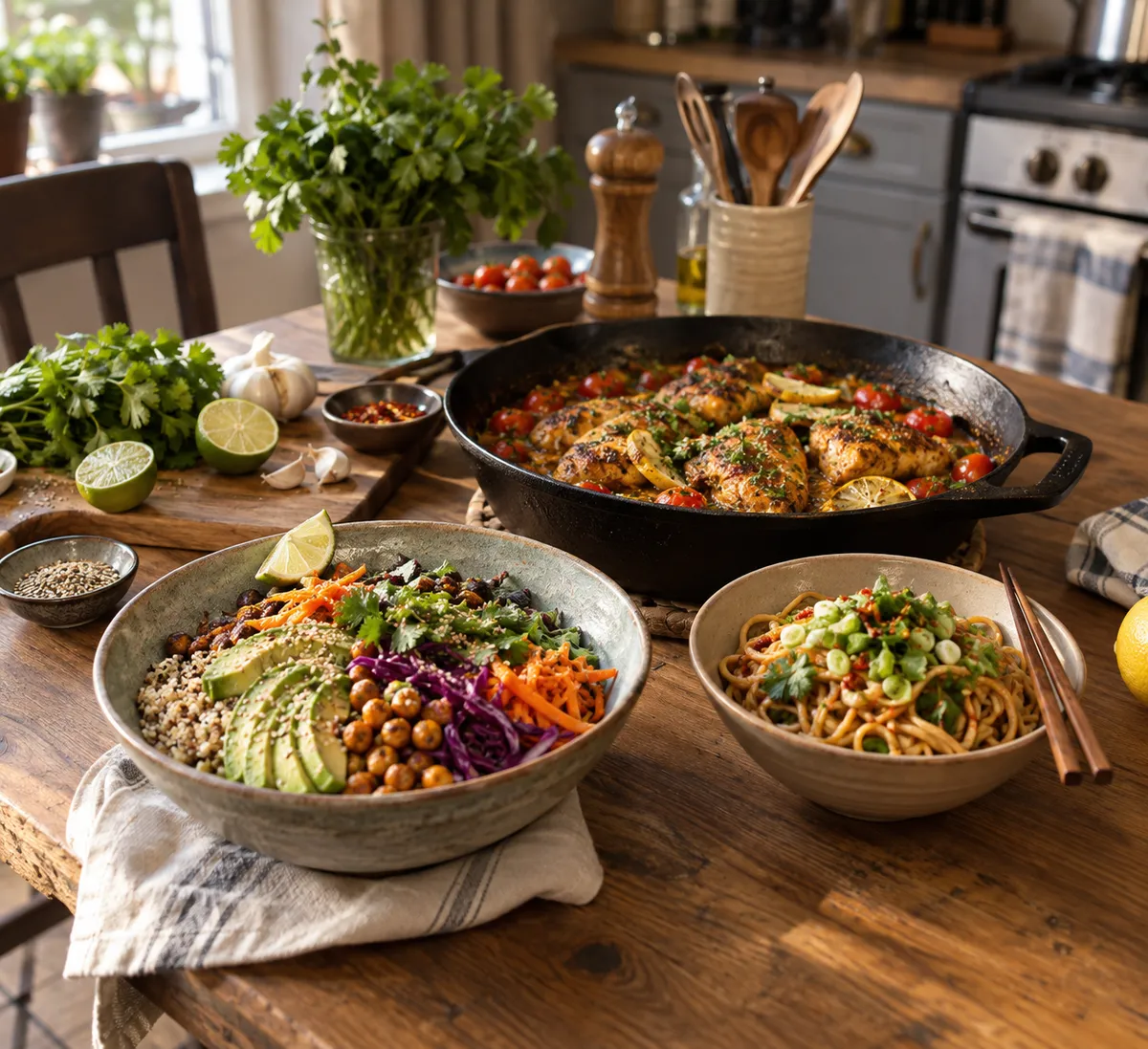
National Geographic recently published a roundup of 15 of the best places in the world for food right now, and it fits a broader pattern: more travelers are picking destinations based on local dining, street food, markets, and regional identity. The full list isn't reproduced here, so we won't guess at which places made the cut. But you don't need a plane ticket to act on the idea. By the end of this article, you'll have a simple method for taking a "food trip" from your own kitchen in about 30 minutes, using ingredients you can mostly find at a regular grocery store.
Why a Food Trip at Home Works
The appeal of food travel is immersion: eating the way a place eats, not just sampling a famous dish. You can borrow that approach on a weeknight. Pick one cuisine, cook one dish, and pay attention to what makes it distinct. It costs a fraction of a flight, and you learn something about flavor each time.
Step 1: Pick a Destination by Flavor, Not Fame
Skip the pressure to choose the "best." Choose by what you're craving.
- Want something bright and fresh? Think lime, herbs, and chili.
- Want something deeply savory? Think soy sauce, garlic, and toasted spices.
- Want something warming? Think cumin, paprika, and slow-simmered tomatoes.
Once you've picked a direction, choose a cuisine that leans that way. You're building a mini itinerary, one dinner at a time.
Step 2: Build a Travel Pantry
A handful of staples unlocks dozens of cuisines. You don't need all of these at once. Add one or two per trip.
- Soy sauce and rice vinegar for East Asian-style stir-fries and dressings
- Canned chickpeas and cumin for Middle Eastern and North African-inspired dishes
- Canned diced tomatoes and smoked paprika for Spanish-style stews
- Coconut milk and curry paste for Southeast Asian-style curries
- Limes and fresh cilantro for Latin American-inspired bowls and tacos
These are inexpensive, shelf-stable (apart from the fresh herbs and limes), and reusable across many meals.
Step 3: Cook One Quick Dish
Here's a flexible template that works with almost any pantry flavor combination. It serves two and takes about 25 minutes.
The One-Pan Global Chickpea Skillet
What you need:
- 1 tablespoon oil
- 1 small onion, diced
- 2 cloves garlic, minced
- 1 can (15 oz) chickpeas, drained and rinsed
- 1 can (14 oz) diced tomatoes
- 1 to 2 teaspoons of your chosen spice blend (see swaps below)
- Salt to taste
- A squeeze of lemon or lime to finish
How to make it:
- Heat the oil in a skillet over medium heat. Add the onion and cook 5 minutes until soft.
- Add the garlic and spices. Stir for 30 seconds until fragrant.
- Add the tomatoes and chickpeas. Simmer 10 to 12 minutes, until the sauce thickens slightly.
- Season with salt, finish with citrus, and serve over rice, couscous, or with bread.
Ingredient Swaps That Change the Destination
The same base becomes a different dish with a few changes:
- Spanish-leaning: smoked paprika, plus a splash of sherry or red wine vinegar at the end
- North African-leaning: cumin and a pinch of cinnamon, plus a spoonful of harissa if you have it
- Indian-leaning: curry powder or garam masala, plus a handful of spinach stirred in at the end
- Mexican-leaning: chili powder and cumin, finished with lime and cilantro
No chickpeas? White beans or lentils work. No fresh tomatoes needed, since canned are reliable year-round.
Step 4: Eat It Like You're There
Part of the pleasure of food travel is how a meal is served and shared. Small touches help.
- Put everything in the middle of the table and let people serve themselves.
- Add a simple side, like sliced cucumber with salt, or warm flatbread.
- Set out a bowl of something fresh, such as chopped herbs or lemon wedges, so everyone can adjust flavors.
Step 5: Keep a Tasting Log
This is the part that makes it feel like a real trip. After each meal, jot down three things in your phone or a notebook:
- What flavor stood out most
- What you'd change next time
- Which ingredient you'd like to learn more about
After a month of one new cuisine per week, you'll have a map of the flavors you actually love, which is more useful than any ranked list.
A Fair Debate Worth Having
Lists like National Geographic's invite arguments about which places truly deserve "best in the world" status. You can have that conversation at your own table. After cooking a few cuisines, ask whoever you're feeding which one wins. The answer might surprise you, and it will tell you where to point your next grocery run, or eventually your next trip.
Your Next Move
This week, pick one cuisine, buy one new pantry ingredient, and make the skillet above with a single spice change. Twenty-five minutes from now, you'll be somewhere new.