
Fiber has become a wellness obsession, with people "fibermaxxing" their way through oats, beans, chia, and bran in pursuit of gut health and fullness. Here's what you'll get from this article: the signs that you may have overshot, and a practical way to adjust your cooking without giving up the foods you like.
First, the reassurance. Per Women's Health, which reported on this, fiber is healthy and most people need more of it. Overdoing it is uncommon, but it's possible. The problem usually isn't fiber itself. It's piling on too much, too aggressively.
The Signs Your Gut Is Sending
According to Women's Health, signs that you may be eating too much fiber include:
- Diarrhea
- Constipation
- Bloating
- Appetite loss
The first two can look like opposites, which is confusing. Both show up on the list, so don't assume that one symptom rules fiber out. If your digestion shifted after you changed how you eat, fiber is worth a look.
This isn't a diagnosis tool. If symptoms are persistent or bothering you, check in with a doctor or registered dietitian rather than guessing.
Why It's Easy to Overdo Without Noticing
Fiber is trending in wellness circles, tied to gut health, staying full, and better metabolic markers. At the same time, high-fiber packaged foods and low-net-carb products are becoming more common, per the report. That means you can stack fiber from several places in one day without ever deliberately "going high fiber."
Think about a typical stretch of eating: a fiber-boosted cereal or bar at breakfast, a protein snack that advertises extra fiber, a big bean-and-vegetable dinner. Each one seems reasonable. Together, they might add up to more than your gut is ready for.
A Simple Way to Take Stock
You don't need an app. Try this for three days:
- Write down what you eat. Include packaged items, since labels often tout fiber on the front.
- Flag the fiber-forward foods. Beans, lentils, whole grains, bran products, and anything labeled "high fiber" or "low net carb."
- Note how you feel. Jot down bloating, bathroom changes, or a drop in appetite next to each day.
Patterns tend to jump out. If the rough days follow your heaviest fiber days, you have a clue.
How to Ease Back Without Giving Up Good Food
The aim is a sweet spot, not abandoning fiber. Here are practical moves that fit regular cooking:
Spread it out
Instead of loading one meal with beans, whole grains, and raw vegetables, give each meal one or two fiber-rich foods. A bowl of oatmeal at breakfast, a salad at lunch, and lentil soup at dinner is a steadier pattern than all three in one sitting.
Swap one high-fiber packaged item for a whole food
If your day includes a fiber bar, a fiber-fortified cereal, and a low-net-carb snack, replace one with something simple, like a piece of fruit or plain yogurt. You keep the benefits of fiber from real food while cutting the stack.
Change one thing at a time
If you're trying to add fiber, make one change, give it several days, and see how you feel before adding another. If you're scaling back, remove one item and watch what happens. Changing everything at once makes it impossible to know what helped.
Keep a flexible meal template
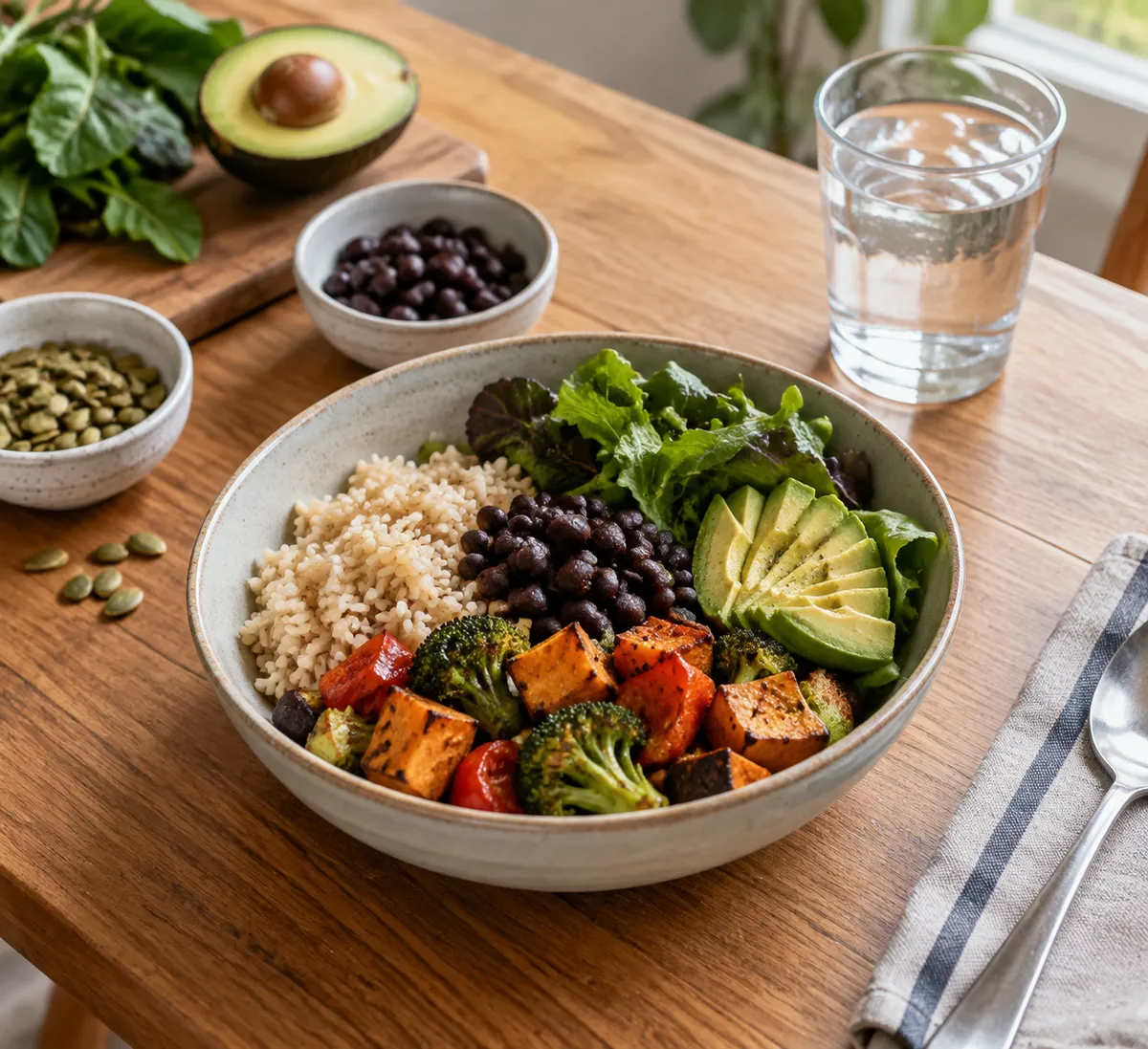
A quick weeknight bowl works well for this because you control the portions:
- A base: rice, quinoa, or whole-grain noodles
- A protein: eggs, chicken, tofu, or a scoop of beans
- A vegetable or two, cooked or raw
- A sauce or topping for flavor
If you're feeling bloated, use less of the bean or whole-grain component and more of the gentler pieces. If you need more fiber, add a little more. The same template flexes both ways, and it takes about 20 minutes.
Fibermaxxing Myths Worth Dropping
"More is always better." The reporting makes the opposite point: fiber is healthy, but too much too fast can upset your gut.
"If it's marketed as high fiber, it's a good swap." Not automatically. Because these products are increasingly common, they can quietly push your total higher than you intended.
"Digestive symptoms mean fiber is the culprit." Maybe, maybe not. Many things cause bloating or irregularity, so treat your notes as a starting point and bring them to a professional if symptoms persist.
Finding Your Own Sweet Spot
There's no single perfect number for everyone, and this article won't pretend otherwise. What works is paying attention: eat a range of whole foods, add fiber gradually, and listen to what your gut says back.
Your next step is small. Look at what you ate yesterday, find the one most fiber-packed item that wasn't actually a whole food, and swap it for something simple. Then see how you feel.